As the Ekiti governorship election holds on Saturday, 20th June, 2026, the International Press Centre (IPC) and Centre for Media and Society (CEMESO), have reiterated call to journalists and other media professionals to adhere to professional standards while also being safety conscious during coverage. . The governorship election is scheduled to hold across 16 Local Government Areas (LGAs) within the state.
IPC Executive Director, Mr. Lanre Arogundade, said the admonition had become necessary in the light of the critical role that the media plays during electioneering processes and elections during which journalists’ safety may be threatened. “It is very important for journalists covering the Ekiti State election to be safety conscious in the discharge of their duties, and to avoid situations that will put them in harm’s way. Journalists are expected to be non-partisan. Being partisan is not only about being a member of a political party but also includes the use of expressions and/or impressions with statements, tags, symbols and colours that portray or identify with a particular political party or personality, ” he said.
While advising journalists covering the election to be well kitted, he added that, “Journalists who are to cover the elections should ensure that they are fully kitted and accredited to do so, in order to avoid situation wherein security agencies would have to question them or bar them from performing their duties. Journalists, who are not on election duty, should avoid straying into the identified polling units at will during the stipulated period of the election. At all times, journalists covering the elections must have their identification card and press/media tag clearly displayed to avoid undue harassment and unnecessary identity checks by the security agencies. “
Similarly, Dr. Akin Akingbulu, Executive Director, Centre for Media and Society (CEMESO), a partner organisation in the IPC/CEMESO-Safety of Journalists framework, underscored the democratic imperative of journalists safety, noting that the conditions under which journalists are permitted to work constitute a direct measure of a society’s commitment to its own civic values. “Every election is, at its core, a test of those values — and nowhere is that test more visibly administered than in the field.
Amongst other activities, IPC/CEMESO will, during the election, be partnering with the Ekiti State Police Command in ensuring the safety of journalists deployed to the field. Through the IPC/CEMESO safety initiative journalists who face any form of violation or attack on the field can directly reach the Divisional Police Officer (DPO) assigned to that area command/division.
“We expect the security forces to note that the media is a critical part of the electoral process and so the media should be accorded with due rights and privileges to enable them to carry out their social obligations as partners in enshrining the credibility of the electoral process.
“Other stakeholders, including elections observers should also proactively provide journalists covering the elections with information to ensure that all work together for the credibility of the electoral process,” Arogundade stressed.
As part of initiatives to keep tab on the safety consciousness of journalists, IPC/CEMESO said that there are safety alert officers who journalists under threat/attack can report to.
In cases of attacks or insecurity issues, concerned journalists on the field can contact any of the following persons:
Arogundade also encouraged journalists to report any threats to the Nigeria Union of Journalists (NUJ), Ekiti State Chapter.
The deployment of journalists to cover the Ekiti governorship election is not merely a professional exercise; it is an act of democratic service. When a journalist is harassed, barred, or attacked at a polling unit, it is not simply that individual who suffers — it is the electorate that is robbed of the witness it deserves. The partnership between the IPC/CEMESO-Safety of Journalists initiative and the Ekiti State Police Command is a meaningful structural intervention, but it must be understood as a floor, not a ceiling. The real measure of our seriousness will be seen not in the protocols we announce, but in the culture of protection we actually demonstrate on election day,” Dr. Akingbulu declared.
On the broader relationship between security forces and the press during elections, Dr. Akingbulu called for functional collaboration grounded in mutual respect for institutional roles. “The relationship between security personnel and journalists during elections has historically been one of the most contested frontiers in Nigeria’s democratic experience — shaped by mutual suspicion on both sides. What the IPC/CEMESO-Safety of Journalists initiative field coordination model represents is an attempt to convert that adversarial dynamic into one of purposeful cooperation, not because the press and security forces share the same mandate, but because both are ultimately accountable to the same civic outcome: a credible election. I would, however, caution against a naïve reading of this arrangement. Collaboration must never drift into co-optation. The media’s independence is not a courtesy that security institutions extend to journalists — it is a right guaranteed by the democratic framework within which those institutions themselves derive their legitimacy. Every stakeholder in the electoral ecosystem must internalise that protecting the press is not a favour to journalists. It is an investment in the integrity of the process itself,” Akingbulu said.
Towards the Presidential elections in 2023, IPC launched a safety and professional advisory for the purpose of ensuring journalists who are covering the elections are fully equipped with safety tools and precautions to engage with while on the field. The PDF Version is on: https://www.ipcng.org/2023-general-elections/
Beyond the Tribe: Caleb University Students Showcase Nigeria’s Rich Cultural Heritage
By Simisola Ogunremi, Okikiola Lawal & Ajuzie Emmanuel
It was a celebration of culture, identity, and national unity as students of the College of Communication and Media Studies (COCOMS), Caleb University, Lagos, staged a Cultural Heritage Campaign themed “Beyond the Tribe: Unity in Diversity.”
At a time when technology and globalization continue to reshape societies and influence cultural values, the event served as a timely reminder of the importance of preserving Nigeria’s rich cultural heritage and strengthening the bonds that unite its people.
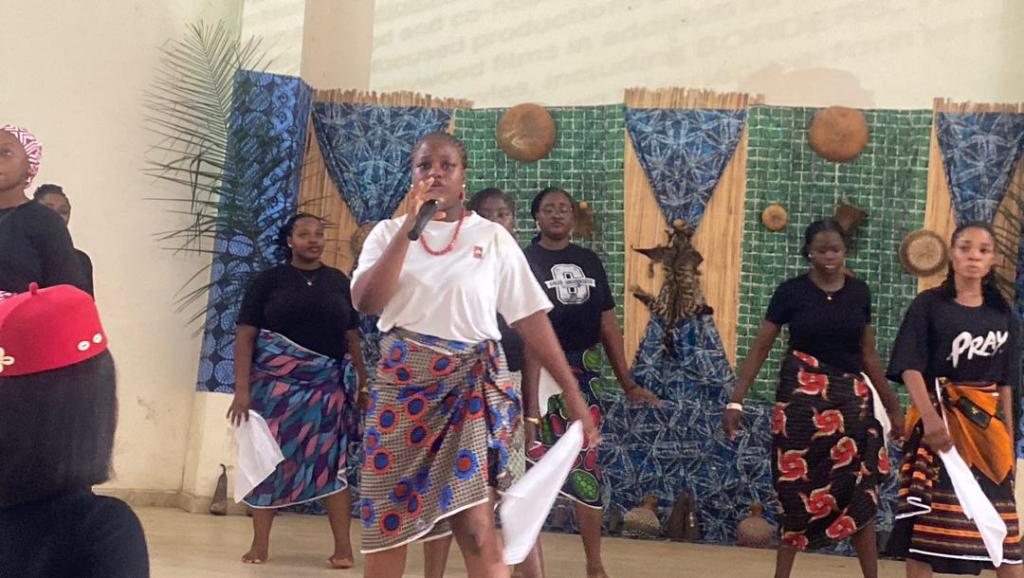
The event, which had rhythmic beats of traditional drums echoed amid colourful attires representing Nigeria’s diverse ethnic groups, lit up the atmosphere with songs, dances, drama, and cultural displays that brought to life the beauty of a nation whose strength lies in its diversity.
Delivering the keynote address, actor, businessman, and creative media strategist, Olanrewaju Olakanlu, popularly known as Mr. Kogberegbe, challenged Nigerians to rise above stereotypes and ethnic divisions by embracing their shared humanity.
Speaking before an enthusiastic audience of students, lecturers, and guests, he stressed that cultural diversity should be seen as a source of strength rather than a basis for division.
According to him, friendships and relationships should extend beyond tribal boundaries, as the similarities that bind Nigerians together are often greater than the differences that separate them.
Reflecting on the various cultural performances showcased during the programme, Olakanlu noted that the presentations demonstrated remarkable creativity, collaboration, and mutual respect among students from different backgrounds.
“Culture is more than tradition and entertainment; it contains wisdom, values, and lessons that can help bridge social divides and strengthen national cohesion,” he said.
He described the event as a commendable initiative that reflects the university’s commitment to cultural preservation and appreciation. He particularly praised the dedication and teamwork displayed by the students, noting that their performances went beyond mere entertainment to become powerful expressions of identity and unity.
Olakanlu also highlighted the growing importance of cultural storytelling in an era increasingly shaped by globalization and artificial intelligence. He urged aspiring journalists, broadcasters, and media practitioners to become custodians of Nigerian stories by promoting authentic narratives that preserve cultural identity for future generations.
Earlier, in her welcome address, Mrs. Funmi Falobi, course lecturer for the 100-level Journalism students, emphasized the significance of cultural heritage as a foundation for national development and social harmony.
She noted that cultural gatherings such as the campaign create valuable opportunities for people to appreciate one another’s traditions while strengthening the spirit of unity.
“The theme of this year’s campaign, Beyond the Tribe: Unity in Diversity, reminds us that while our ethnic identities are important, our shared humanity and common aspirations are even greater,” she said.
“Nigeria’s strength lies not in uniformity but in the richness of its many cultures, languages, traditions, and experiences.”
Addressing the students directly, Falobi challenged future media professionals to use their platforms responsibly by promoting understanding rather than division.
“As future journalists, broadcasters, public relations practitioners, and media professionals, you have a responsibility to tell stories that bridge divides rather than widen them. The media possesses immense power to shape perceptions, foster understanding, and promote peaceful coexistence among diverse peoples and cultures,” she stated.
Providing the academic context for the programme, Mrs. Joy Joseph, lecturer for the 200-level students, explained that the campaign was designed to complement two important courses within the college.
She said the event provided practical learning opportunities for students enrolled in Cultural Heritage, a course that examines the preservation and promotion of cultural values and identities, as well as Foundation of Cultural Reporting, which introduces students to the principles of reporting cultures, traditions, and communities with professionalism and sensitivity.
The event also featured a thought-provoking presentation by award-winning investigative journalist with THISDAY Newspaper, Mr. Sunday Ehigiator, who explored the complex relationship between culture and the media.
Ehigiator observed that Nigeria continues to experience the influence of cultural imperialism, with foreign media content increasingly shaping societal values and lifestyles. While acknowledging the media’s role in facilitating cultural exchange, he stressed that it can also serve as a powerful instrument for preserving and promoting indigenous cultures.
He urged journalists to be deliberate in telling authentic Nigerian stories and warned against the growing tendency for social media-driven journalism to prioritize attention and engagement over accuracy and ethics.
According to him, the future of journalism depends on maintaining professionalism, upholding ethical standards, and embracing responsible storytelling.
For many students, the event offered more than academic engagement. It was an opportunity to experience firsthand the richness of Nigeria’s cultural diversity while reflecting on their future roles as communicators and storytellers.
As the colourful displays, energetic performances, and cultural exhibitions unfolded, one message resonated throughout the event: Nigeria’s diversity is not a weakness to be managed but a strength to be celebrated.
The Cultural Heritage Campaign, which formed part of the Continuous Assessment exercise for 200-level Mass Communication students and 100-level Journalism students, attracted students, lecturers, and distinguished guests, including the Dean of the College of Communication and Media Studies, Dr. Kayode Okunade.
By the end of the programme, the message was unmistakable: beyond tribe, language, and ethnicity lies a shared Nigerian identity—one that can flourish when culture is preserved, celebrated, and passed on to future generations.
UN Women, TY Danjuma Foundation launch agro-processing centre in Kwali
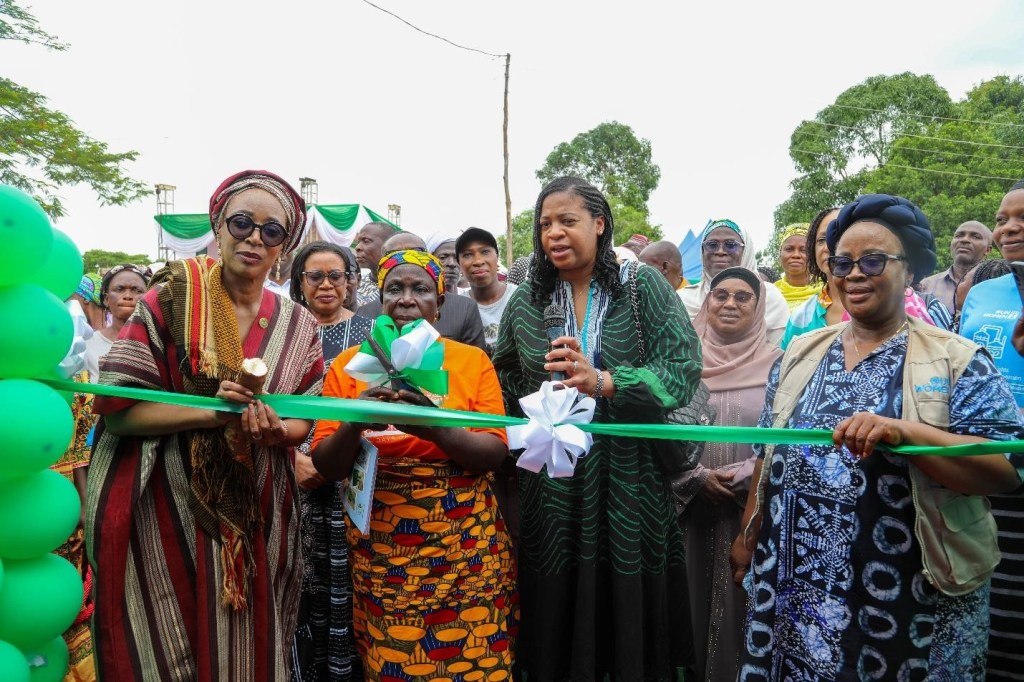
Rural women in Great Sheda Community, Kwali Area Council in Federal Capital Territory (FCT), Abuja, are set to benefit from improved livelihoods and enhanced economic opportunities following the launch of a new Agro-Processing Centre established through a partnership between UN Women and the TY Danjuma Foundation. The Agro-Processing Centre is equipped with a cassava peeling and grinding machine designed to significantly reduce the time and labour required for processing cassava into Akpu, a staple food and important source of income for many women in the community.
For years, women in Great Sheda have relied on manual methods of peeling and grinding cassava, a process that is physically demanding and time-consuming. The introduction of the new machine will ease this burden, increase productivity, improve processing efficiency, and enable women to dedicate more time to other income-generating and productive activities. The initiative forms part of ongoing efforts by UN Women and the TY Danjuma Foundation to advance women’s economic empowerment, strengthen rural livelihoods, and create sustainable pathways for women to participate fully in local economic development.
Speaking at the launch, Beatrice Eyong, UN Women Representative to Nigeria and ECOWAS, highlighted the importance of investing in rural women’s economic empowerment. “Today, we are investing in not only in a machine; we are investing in the time, productivity, and economic potential of rural women. By reducing the burden of manual cassava processing, this Agro-Processing Centre will enable women to increase their earnings, pursue other productive opportunities, and strengthen their contribution to the economic development of their families and communities,” she said.
The Chair of the TY Danjuma Foundation, Ms. Hannatu Gentles, also reaffirmed the Foundation’s commitment to improving the lives of underserved communities through strategic investments in education, health, and economic empowerment. “We believe in putting economic power directly into the hands of women, the true backbone of our rural economy. The TY Danjuma Foundation is deeply committed to supporting communities that need it most, and we are confident in the capacity of the women of the Akpu Women Association to use this facility to grow their businesses and build better futures for their families,” she affirmed.
The Former FCT Mandate Secretary and Director-General, Mariam Babangida Centre, Dr. Adedayo Benjamins-Laniyi also noted that “When women who have laboured with their hands for decades are empowered with the right tools, they do not only process cassava — they strengthen food security, economic growth, and community resilience.”
Community members welcomed the intervention, describing it as a transformative investment that will improve productivity, increase household incomes, and contribute to the overall development of the community. The Agro-Processing Centre is expected to serve women processors across Sheda and surrounding communities, creating opportunities for increased earnings, improved food processing practices, and stronger local economic growth.
Through strategic partnerships and targeted investments in women’s livelihoods, UN Women and the TY Danjuma Foundation continue to support efforts that empower women as key drivers of economic development, food security, and community resilience.
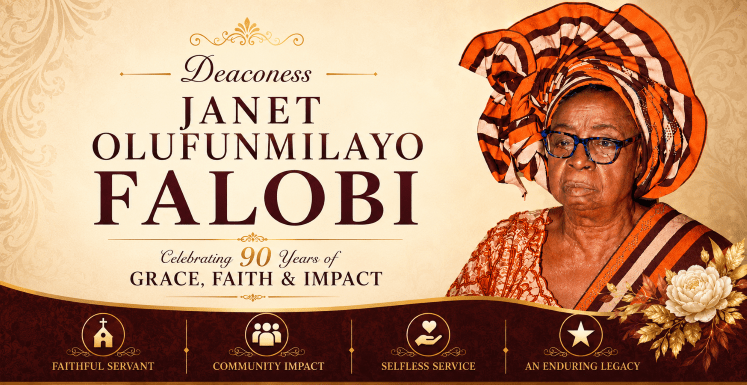
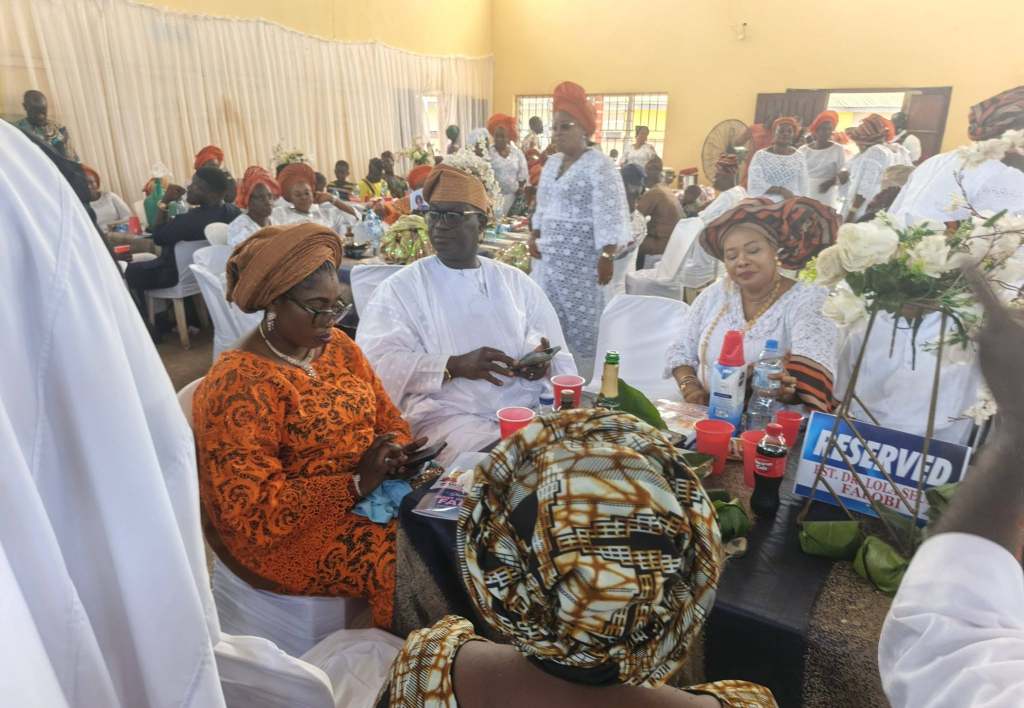
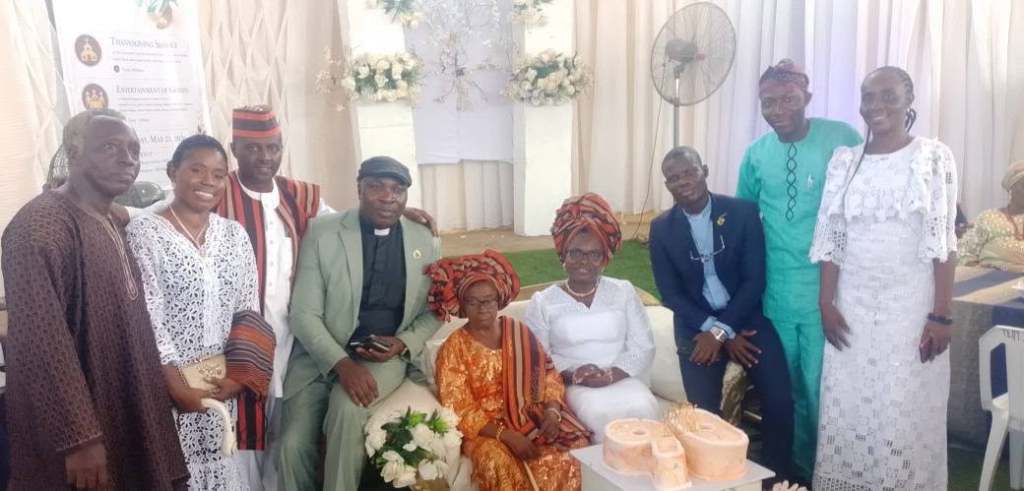
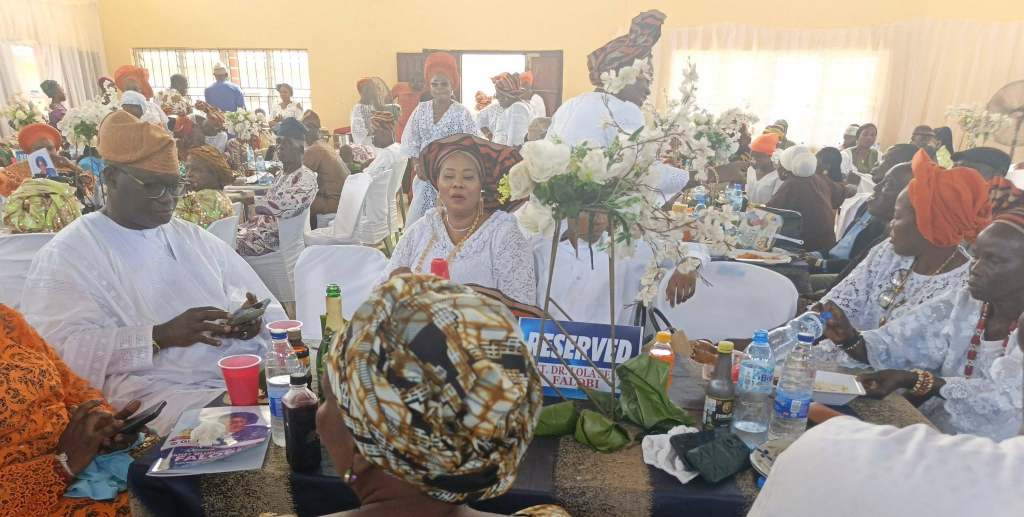
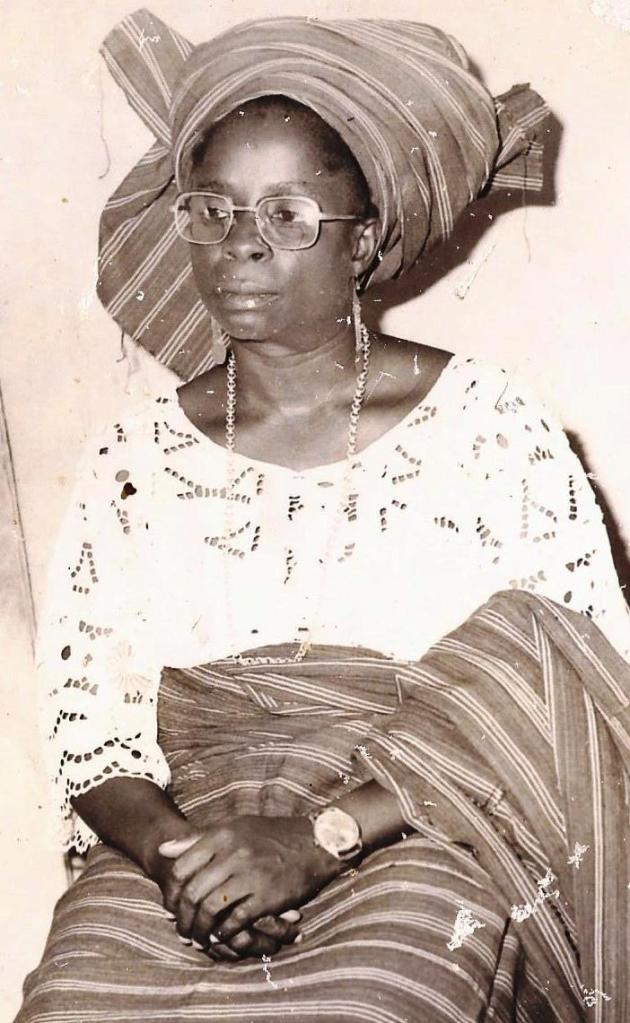
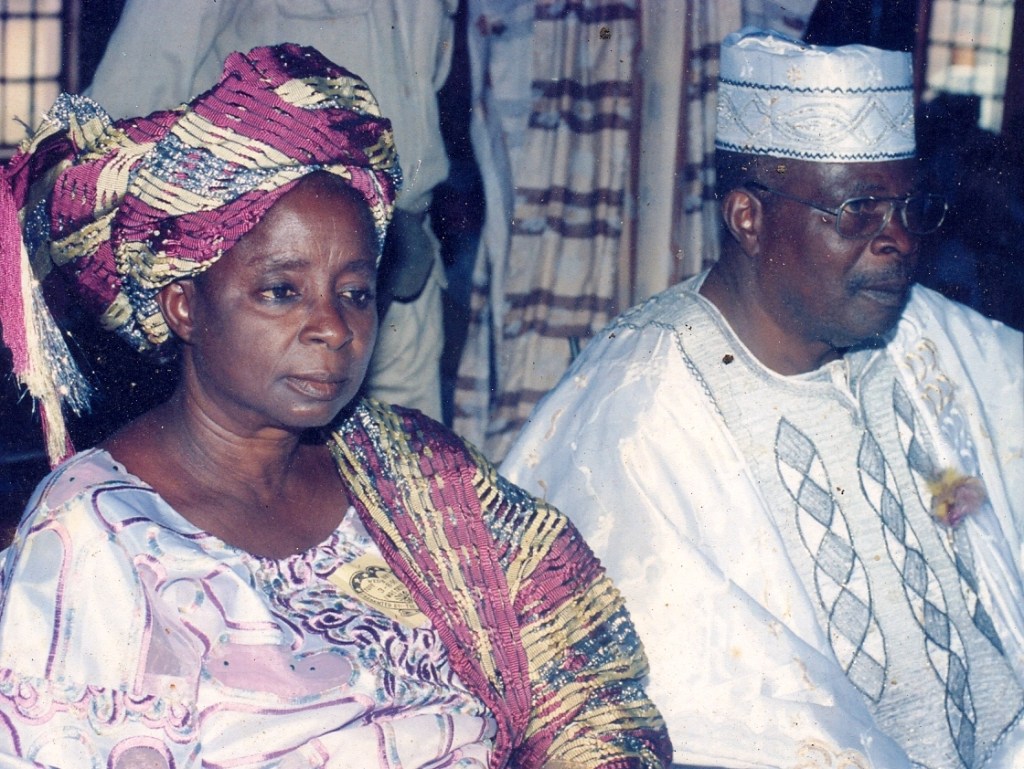
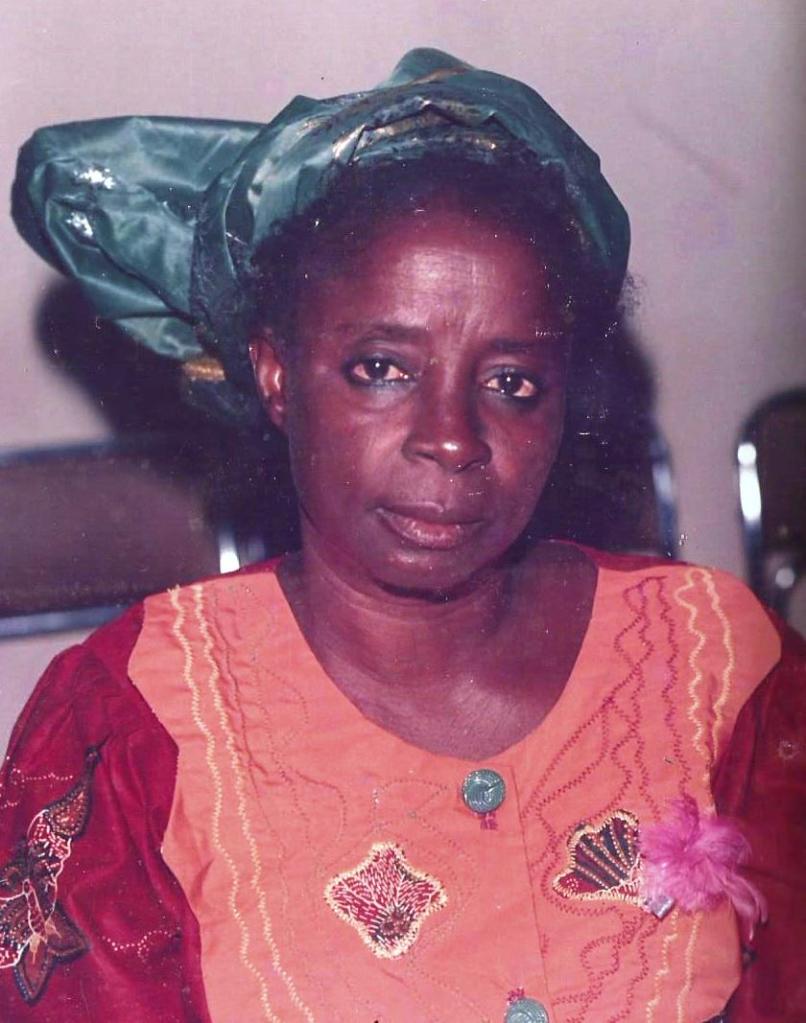
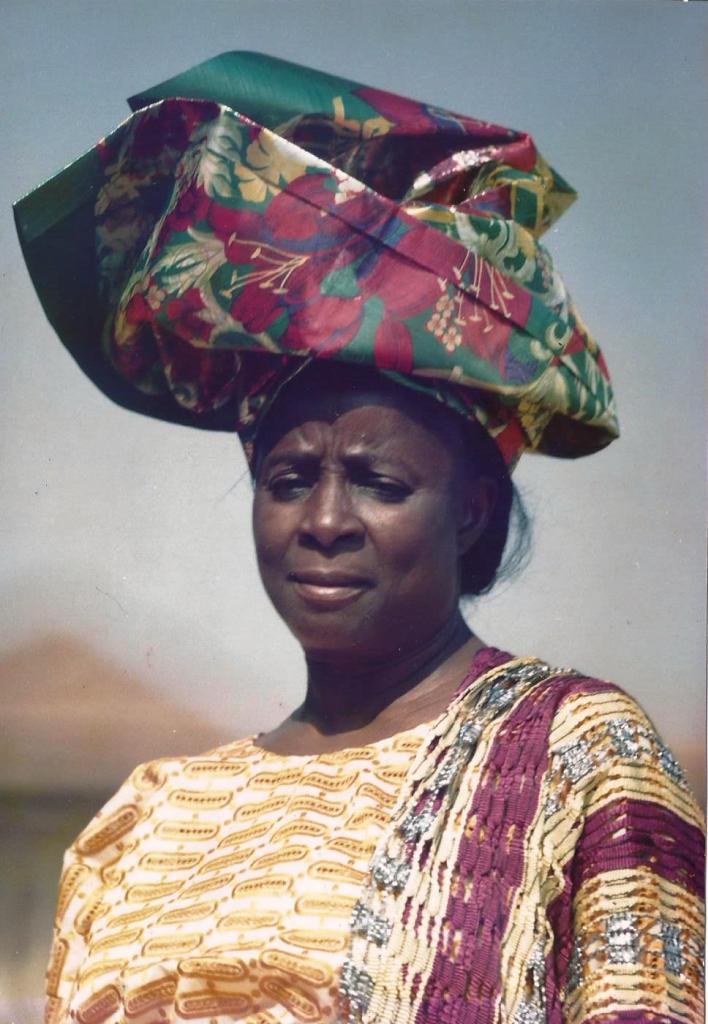
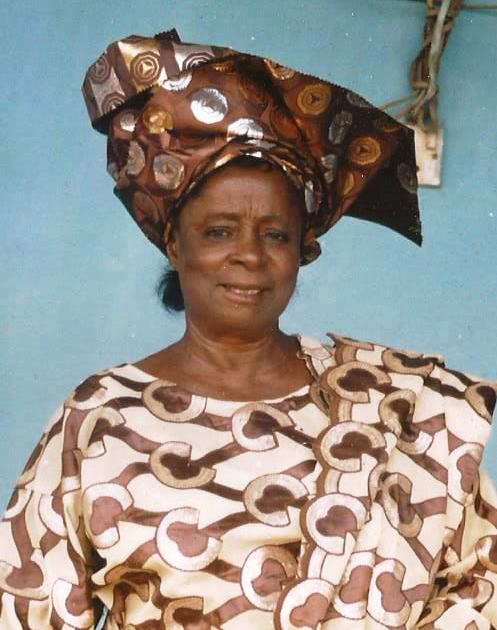
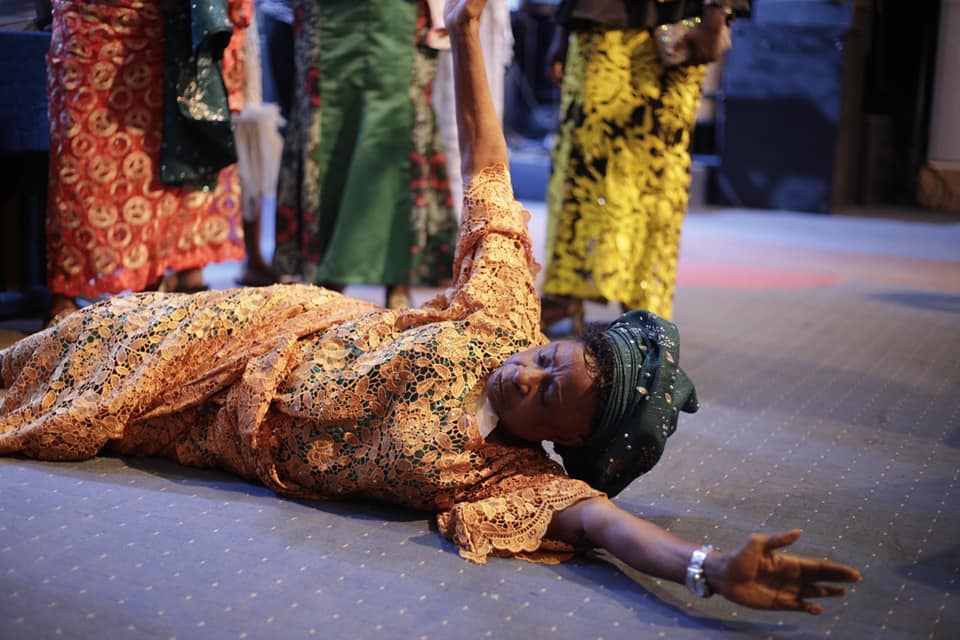
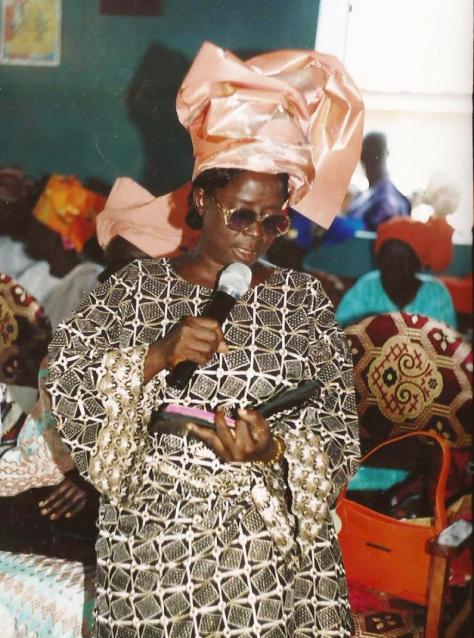
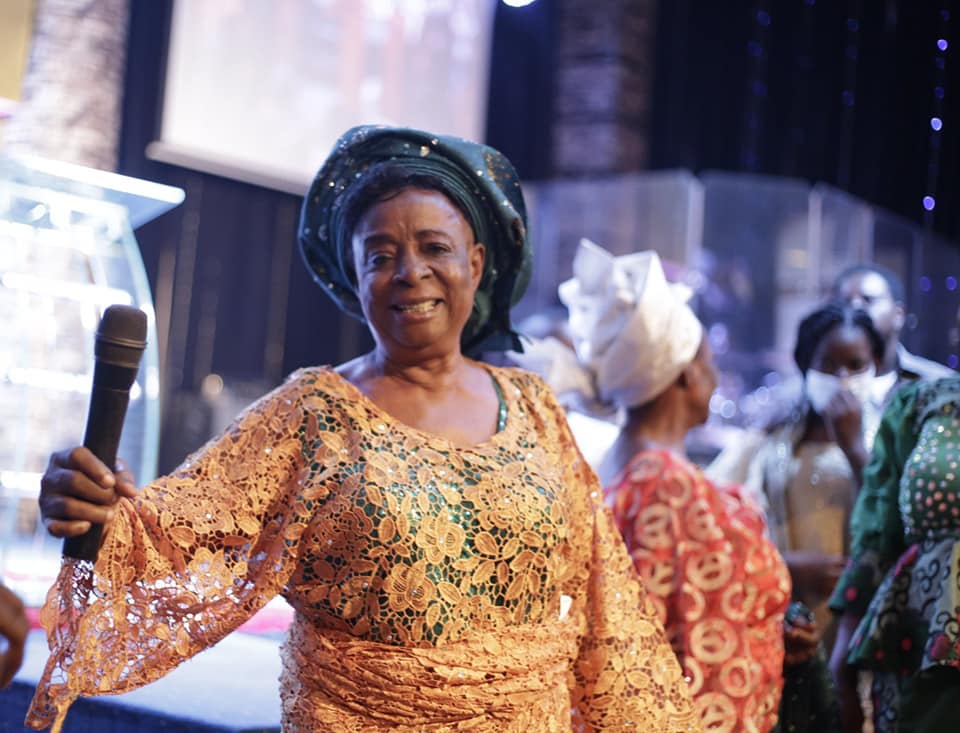
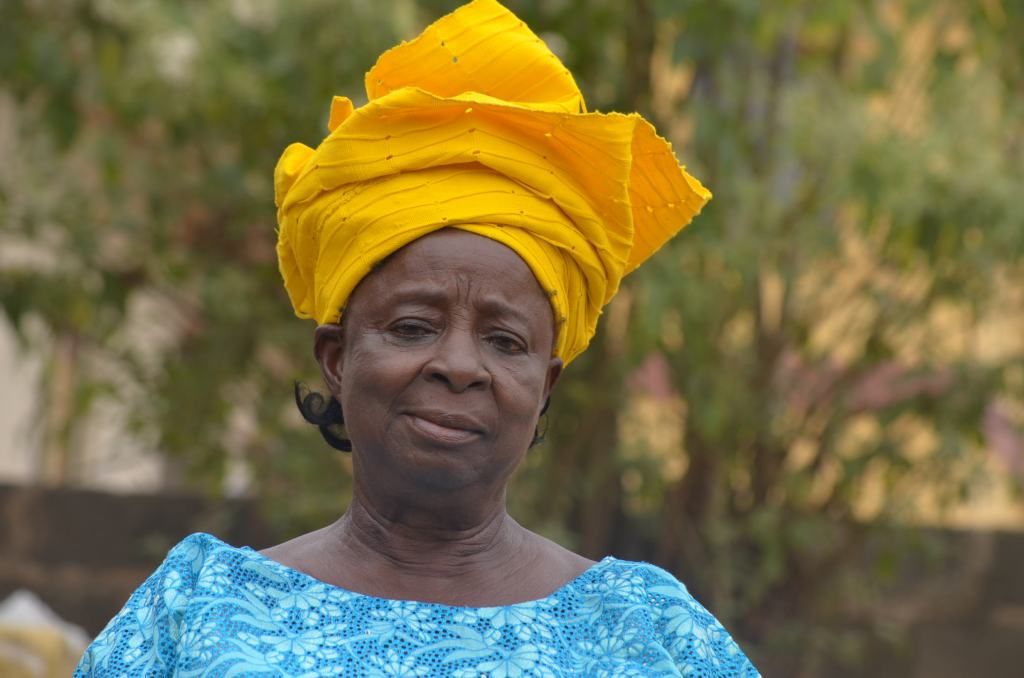
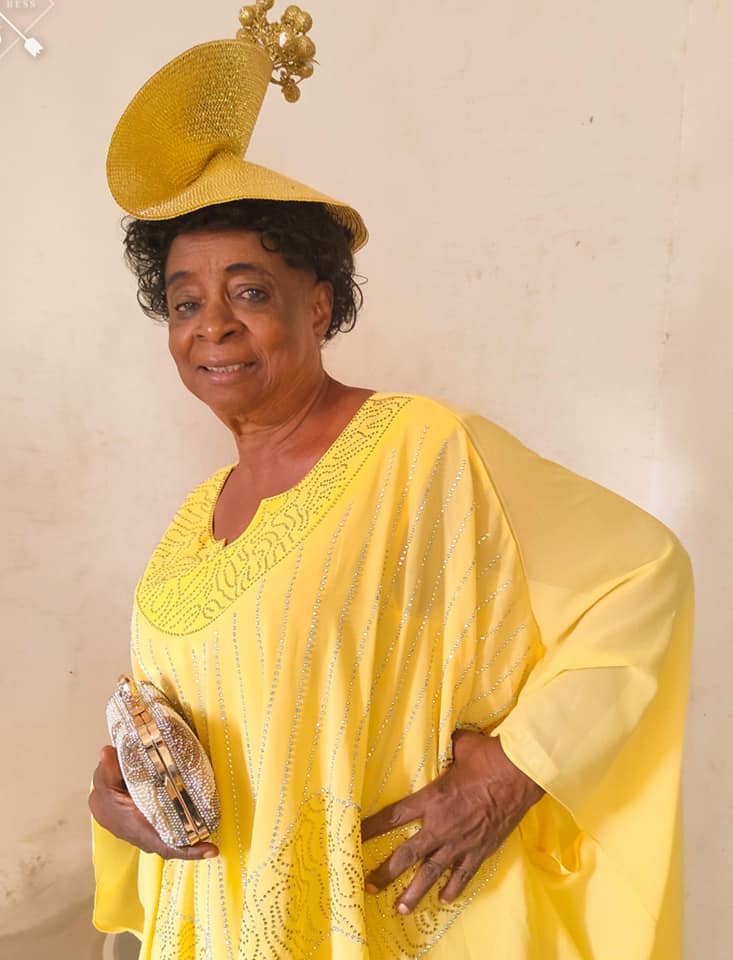
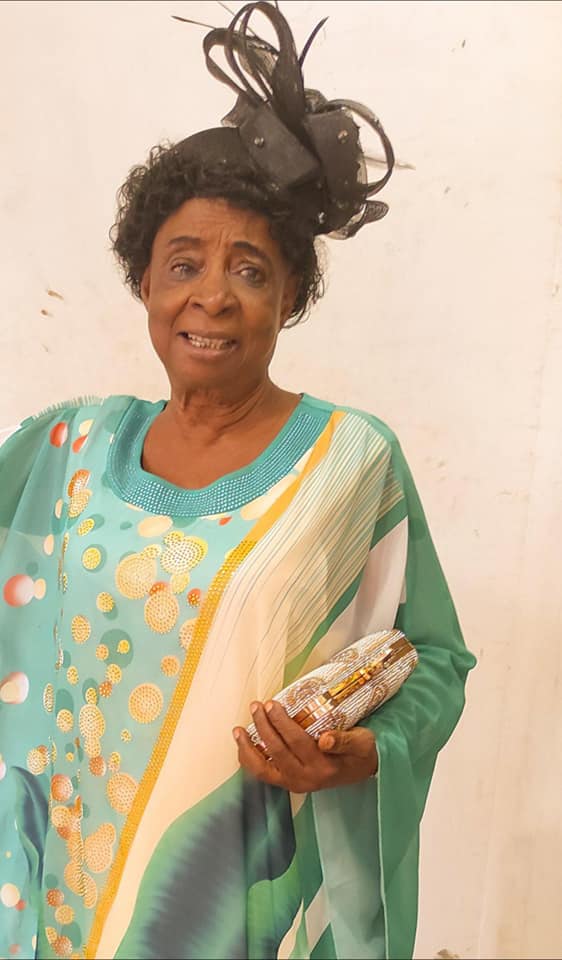
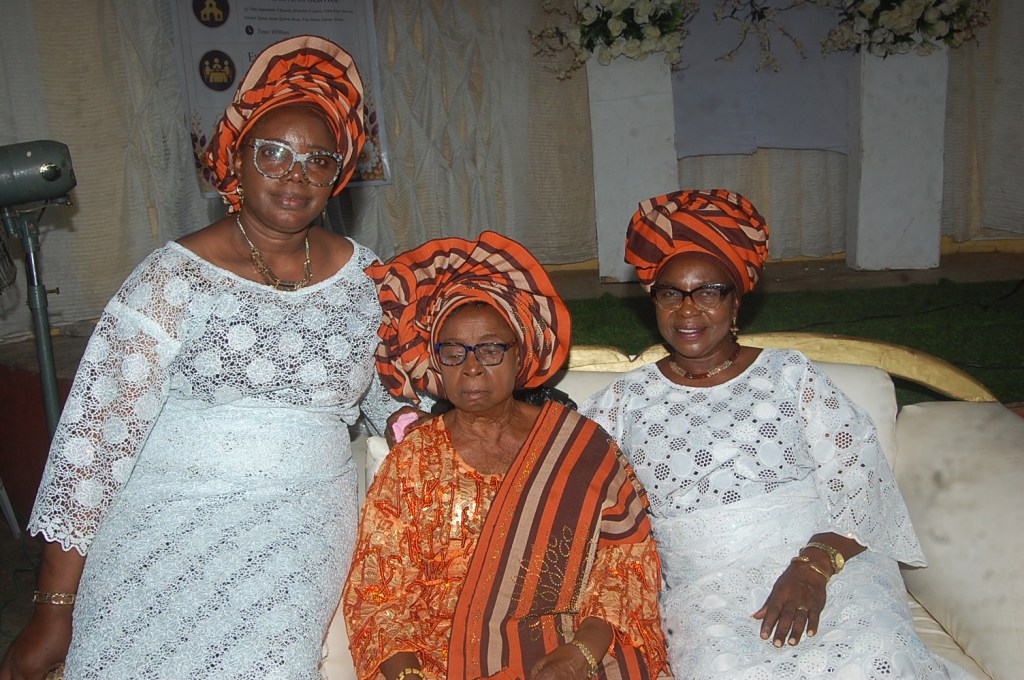
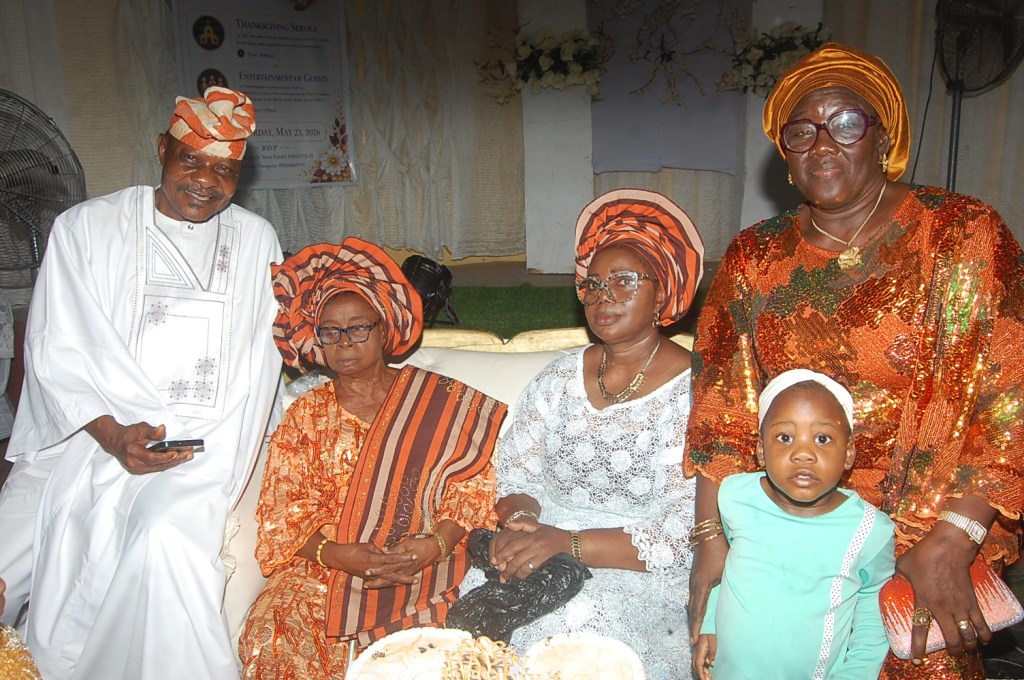
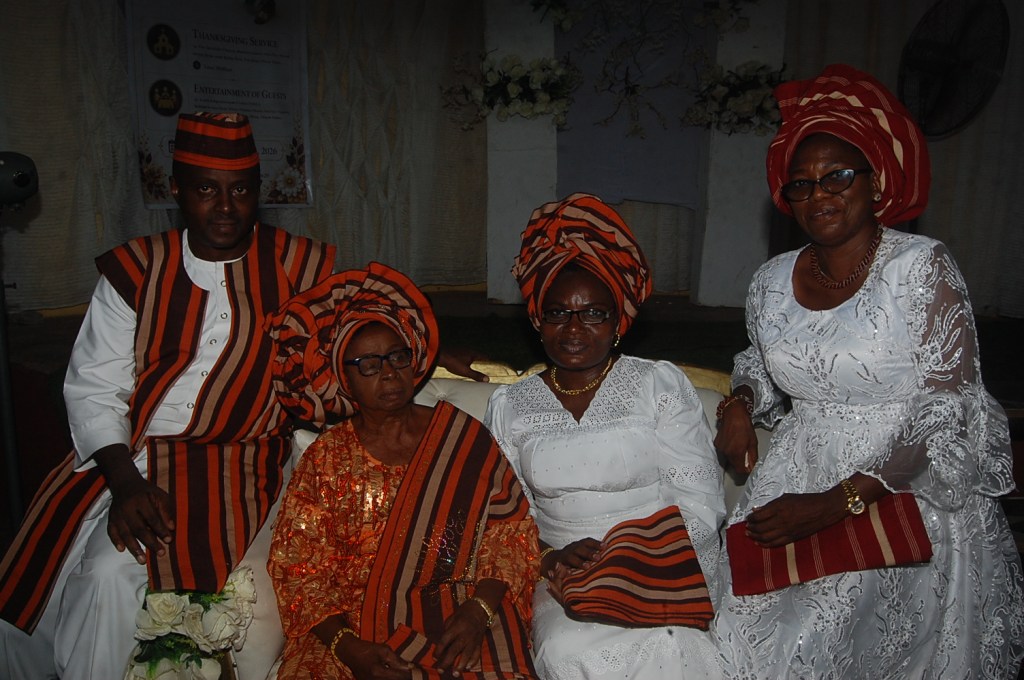
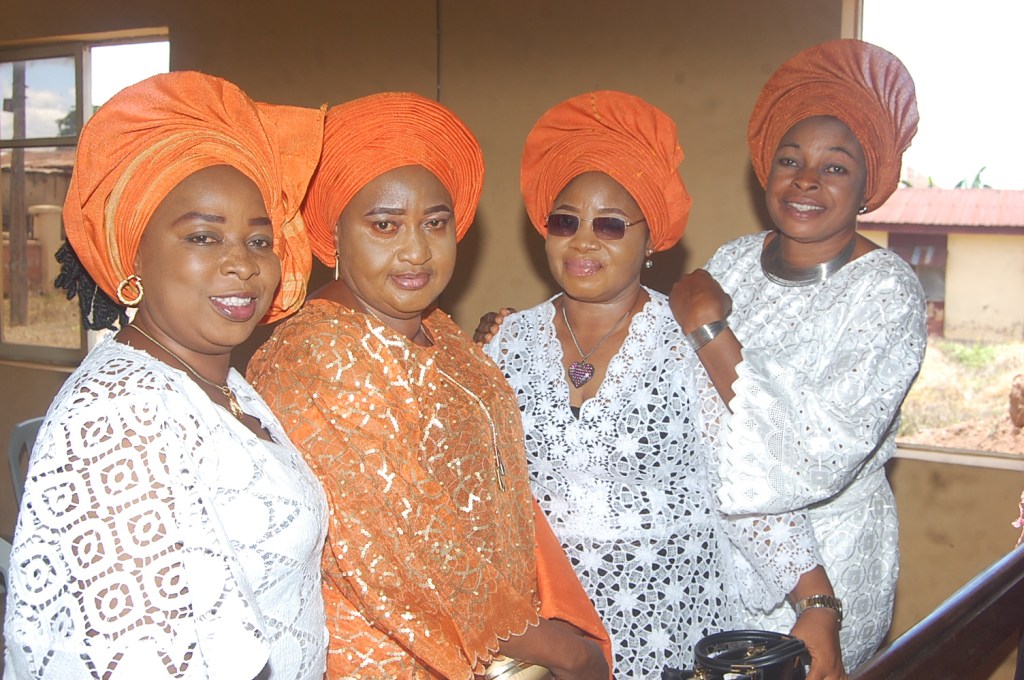
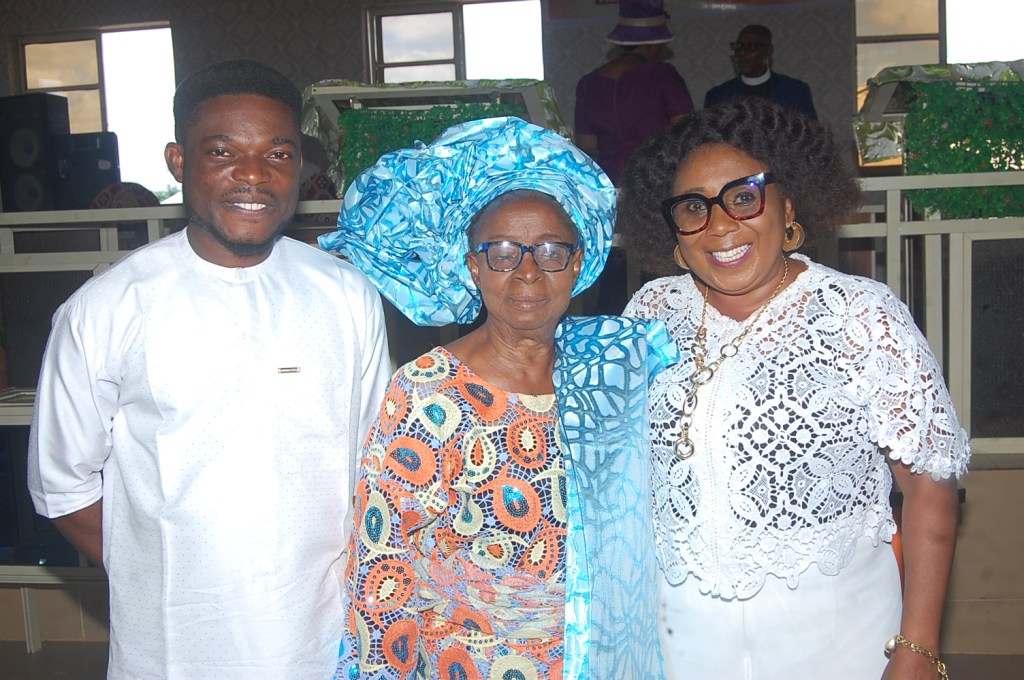
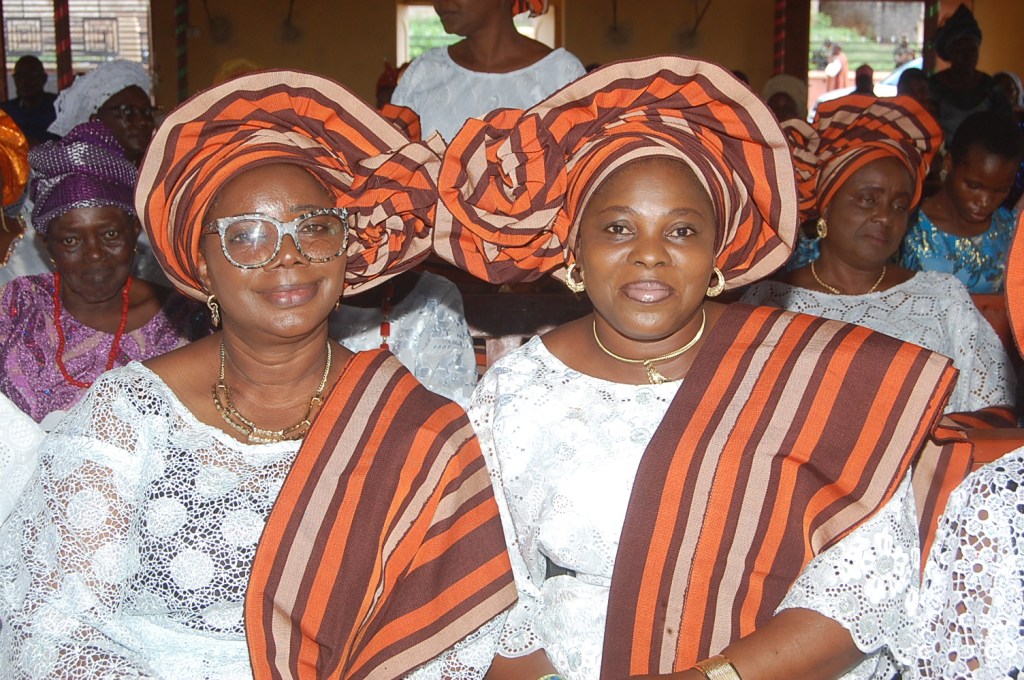
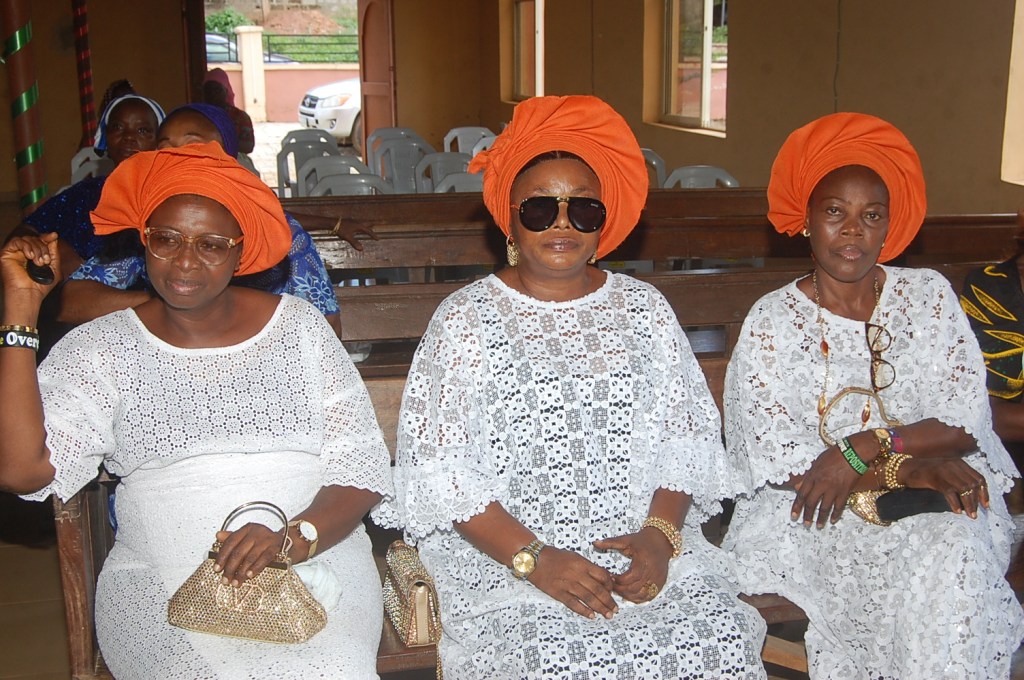
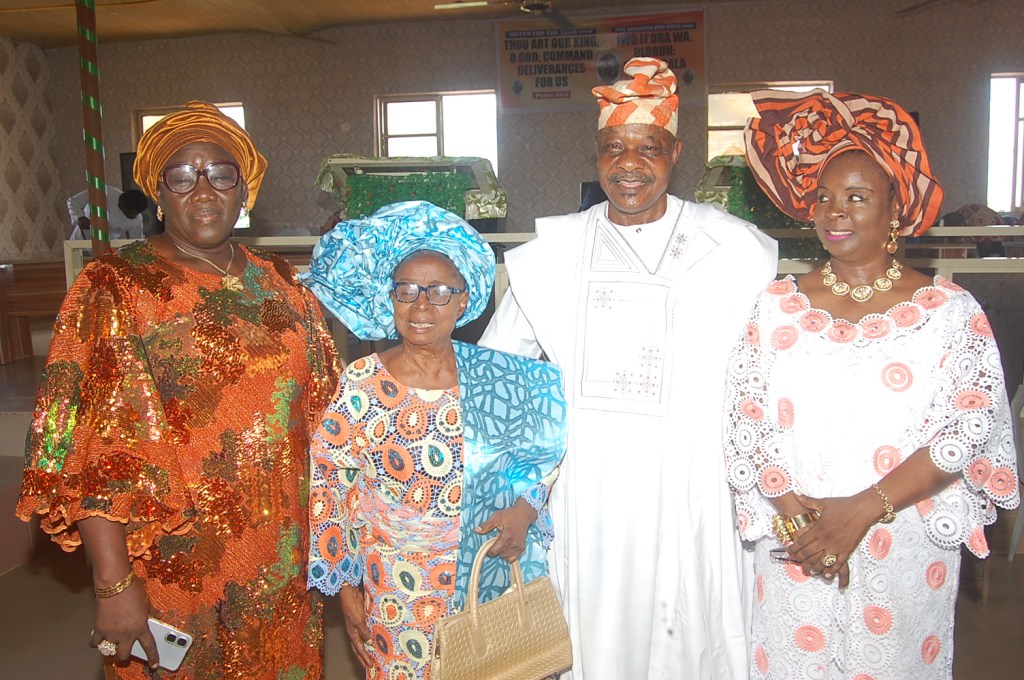
What do you call a life that has journeyed through nine decades, yet whose light still illuminates the paths of others? That, indeed, was what it was when family members, community stakeholders, friends, associates, and well-wishers gathered recently to celebrate the 90th Birthday Thanksgiving and reception programme of Deaconess Janet Olufunmilayo Falobi (JP).
It was more than a gathering; it was a reverent unfolding of gratitude, memory, and honour. It was a moment where longevity met legacy, and where years were not simply counted but deeply felt in the lives she has shaped along the way. The celebration was simply to honour a woman, mother, grandmother and great-grandmother, whose journey was not defined by spectacle, but by substance; not by noise, but by impact; not by what was gotten, but by what was given.
Through changing seasons of life, Dcns. J.O Falobi has remained a stabilising force—anchored in God, guided by integrity, and expressed through love that reaches far beyond her immediate family.
Across generations, she served as a pillar—of family unity, spiritual depth, and community influence. Her life echoed in the values she has nurtured, the prayers she has offered, and the countless lives she has touched with wisdom, care, and grace.
The Beginning, how life started
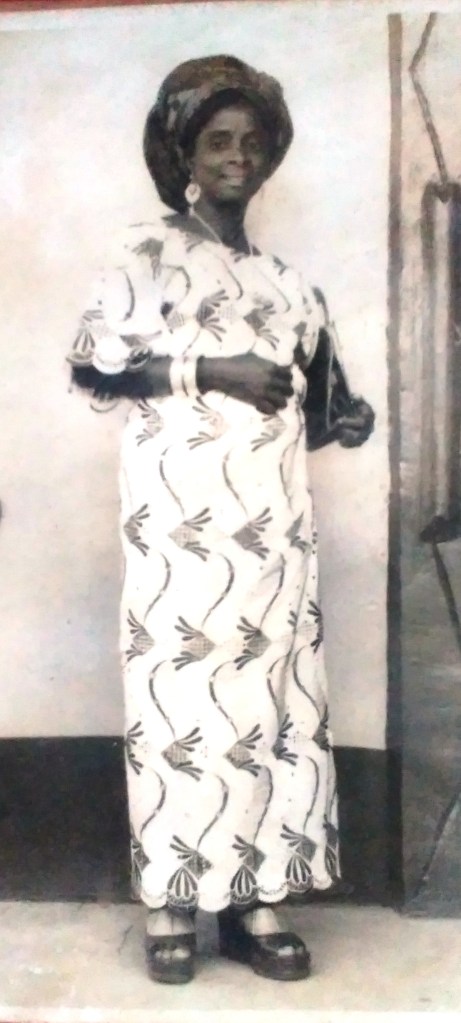
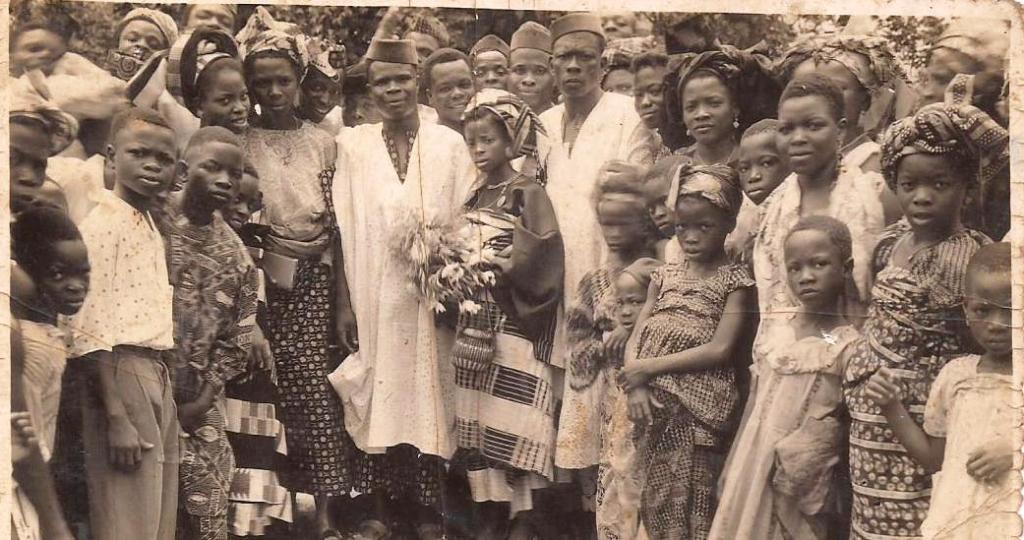
Deaconess J.O. Falobi, affectionately known as Mama Falobi, Mama Iwoye, or simply Grandma, was born on 20 May 1936 in Iwoye-Ijesa, in present-day Osun State, Nigeria. She was the first daughter of Mr Matthew Adewusi Oni, popularly known as “Jebooda”, who had three wives. Her mother was Mrs Grace Lolade Oni, fondly called “Iya Alate”.
That was how the story of her life began. A key influence on her formative years came from her paternal grandmother, High Chief Mariam Adekunbi Arowopayin, fondly known as “Iya Onikango”, of the Ribodewu Royal Family, under whose guidance she imbibed the virtues of responsibility, respect, hard work, and leadership—qualities that would later define her life’s journey.
Early education became one of the defining hallmarks of her life. In 1944, she began her formal schooling at St. Thomas’ Primary School, Iwoye-Ijesa.
However, this significant step was not without an element of divine providence. One of the earliest turning points in Mama Falobi’s life came through the quiet yet decisive intervention of a remarkable man, the late Mr T. A. Oginni. Acting as a mentor and benefactor, he recognised her potential at a time when opportunities for young girls were often limited. His timely support and unwavering belief in her abilities proved pivotal, setting in motion an educational journey that would ultimately shape the course of her life.
In those earlier days, when school admission processes were far less formal than they are today, a child’s readiness for formal education was often judged by a simple physical assessment. The child was asked to stretch one hand over the head to touch the opposite ear. If this could not be done, it was taken as a sign that the child was too small or too young for school.
By this measure, the young Olufunmilayo did not qualify. Her small stature meant she failed the test, and she was initially deemed unfit for admission. The implication was severe—she stood the risk of losing an entire academic year, a delay that, for many children of that era, could quietly derail their educational future.
However, Mr. Oginni saw something different. Where others saw physical limitation, he perceived potential. He recognised in her a spark of intelligence, a depth of readiness, and an eagerness to learn that could not be measured by physical tests. Refusing to let her size define her destiny, he advocated firmly that she be given the opportunity to begin school.
That intervention proved both decisive and transformative. What might have been dismissed as a minor act of advocacy became a defining moment—an opening of doors that would otherwise have remained closed.
From that point forward, the young girl who once stood at the edge of exclusion stepped firmly into a lifelong journey of learning, service, and excellence. She would later emerge as an educator, community leader, church worker, and trailblazer—her life bearing testimony to the power of belief, encouragement, and timely intervention.
Looking back, that single act of faith in her potential stands not merely as a memory, but as the foundation upon which a legacy of impact was quietly built.
It marked the beginning of an impressive educational journey through:
St. Thomas’ Primary School, Iwoye-Ijesa;
St. Matthew’s School, Ijebu-Jesa;
CAC School, Ikirun’
Methodist School, Ikirun;
St. Clare’s College, Osogbo;
Gombe Teachers College;
Federal Teachers College, Kontagora.
Her academic excellence was evident as she consistently distinguished herself among her peers and laid the foundation for a lifelong commitment to learning.
For Mama Falobi, the lesson remained unforgettable: sometimes all a child needs is one person who believes in their potential. For her, Mr. T.A. Oginni was that person, and his faith in her, helped shape a legacy that continues to inspire generations over many years.
A marriage built on love and partnership
One of the most cherished aspects of Mama Falobi’s life remains her marriage to the late Pa Samuel Ogunsure Falobi.
Married on 3rd of May 1959, their union, which lasted forty-four years until his passing on 5 August 2003, was characterised by mutual respect, shared values, sacrifice, and unwavering commitment.
She often described him as:
A loving husband
A caring father
A courageous man
A pillar of support
A refuge for many people
Pa Samuel Falobi was widely respected as an educator, philanthropist, counsellor, and community leader. Together, they built a home that became a refuge for relatives, friends, and many young people seeking support and guidance.
Even after her husband’s passing in 2003, the values they cultivated together continued to flourish through their children, grandchildren, great-grandchildren, and extended family.
Her reflections on marriage remain timeless. According to her, “To have a successful marriage, there must be perseverance, genuine love, honesty, generosity, accommodation, and hospitality.”
Many relatives found accommodation, guidance, and support under their roof. Their home became known as a place where people were welcomed and encouraged to pursue educational goals and explore vocational development; a legacy that brought transformation and impact to the life of many.
The path of a career in education
Few professions could have suited Janet Olufunmilayo Falobi better than teaching. It was not just a profession, it was a calling.
She started her working career at St. Francis Pry School, Osogbo in 1953, from where she gained admission to St. Clare’s College for her Grade 3 Teachers Certificate. After completion, she was posted to St. Paul’s R.C.M School, Ikirun and then to St. John’s School ‘A’ Iloro, Ilesa.
Upon marriage, her teaching career expanded to various parts of Nigeria, including:
Otukpo
Kaduna
Kano
Zaria
Jos
Bauchi
Mubi
Keffi
Kontagora
In 1975, she returned back to Iwoye Ijesa, on relocation with her husband and thereafter continued her service between 1975 and 1987 as follows:
Jehovah Jireh Africa Primary School, Ijebu-Jesa
Ilo-Ayegunle Local Authority School (as Headmistress)
Ijebu-Jesa Grammar School
As a Fine Arts teacher, she became renowned for her creativity, discipline, and commitment to excellence. Her impact on generations of students extended beyond the classroom. She taught values, inspired confidence, and encouraged her students to pursue excellence in all aspects of life. She retired in 1987 after an outstanding 35-year teaching career.
After retirement, she got engaged in patent medicine enterprise and household provision and for many years was the Director of Emiloju stores, Iwoye Ijesa.
Breaking barriers and setting records
Early in life, Mama Falobi consistently challenged societal limitations and expanded opportunities for women. She had consistently proved that women could excel in spaces traditionally occupied by men.
In 1962, she became the first woman in Iwoye-Ijesa to drive a motor vehicle, an extraordinary achievement at a time when female drivers were a rarity.
Despite family responsibilities, child bearing and related family commitments, she remained dogged to get the best that education could give her by advancing educationally. With a goal to excel and set the pace, she sought to advance her career by further studies and emerged with the best overall result in Fine Arts at the Federal Teachers College, Kontagora.
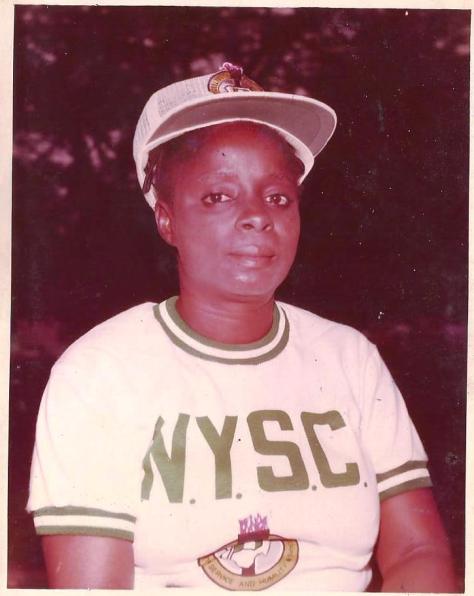
In the aftermath of this, she participated in the National Youth Service Corps (NYSC) programme in 1981, and received the prestigious Oyo State Governor’s Award, a milestone that reflected not only her personal excellence at the time, but also her unwavering commitment to continuous self-development.
Remarkably, this was achieved while she remained deeply committed to the education and career of her children—as well as the vocational advancement of her siblings and other close relatives, whom she consistently supported and encouraged to pursue their aspirations.
Her excellence and pioneering spirit continued in later years. She was recognised as the Best Fine Arts Teacher at Ijebu-Jesa Grammar School for four consecutive years (1984–1987).
In 1991, she won election to be first female Councillor from Iwoye-Ijesa, thus being the first female Councillor in the entire Ife-Ijesa Constituency.
She achieved other rare feats, as follows:
The first female President of the Iwoye-Ijesa Descendants’ Union (IDU), 2002-2006;
A Director of the Iwoye-Ijesa Community Microfinance Bank (2002-2008);
Recipient of the Most Valuable Director Award from Iwoye-Ijesa Community Microfinance Bank;
A special status as an advisor to the Oba-in-council during the reign of Oba PO. Oni as the Oniwoye of Iwoye-Ijesa;
Honour and recognition from the St. Thomas’ Primary School as an Industrious Daughter of Iwoye-Ijesa Kingdom (2016);
Woman/Choir leader and composer of songs for several years in her stewardship at Apostolic Church, Iwoye-Ijesa, among others.
These milestones were not merely personal achievements; they opened doors for other women and demonstrated that leadership and excellence know no gender boundaries.
A journey of deep affection and uncompromising faith
If there is one thread that runs consistently through Mama Falobi’s life story, it is her unwavering faith in God.
A devoted member of The Apostolic Church Nigeria, she was:
Baptised in 1957 by Pastor Oniyilo.
Received into full fellowship by Pastor S.A. Lawal.
Ordained a Deaconess in 1987 by Apostle G.O. Olutola.
Baptised in the Holy Spirit in 2003.
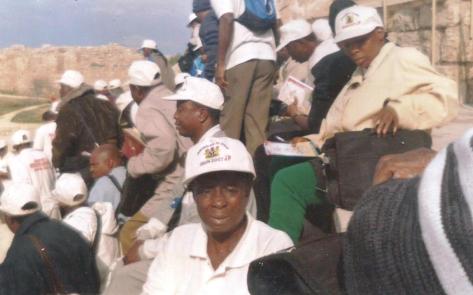
Undertook a pilgrimage to the Holy Land in Israel in 2007.
Her commitment to prayer is legendary, while her generosity and genuine concern for the welfare of others know no bounds. She has demonstrated an uncommon capacity to love, give, and care without discrimination, touching countless lives through her kindness, compassion, and selflessness.
Many of those who paid tribute during her 90th birthday celebrations described her as a woman whose faith has remained steadfast and unshaken despite the challenges and trials that life inevitably presents. Through seasons of joy and adversity alike, she has consistently placed her trust in God, drawing strength from her deep spiritual convictions.
She has been a mother-hen to many; serving the role of a counsellor, peacemaker, looking out for the welfare and the interests of many.
Her watchword was fairness and impartiality. With the same vigour with which she had used to keep the S.O Falobi family bond together, she has also used as a girdle to keep her siblings united in love, offering same to extended family members, relatives, friends and all who have reasons to associate with; that peace and harmony may continue to exist in homes and families.
The composer, reader and lifelong Learner
One of Mama Falobi’s unique gifts is her ability to compose songs and anthems.
Many of her compositions, she often says, came through dreams and divine inspiration.
She is also an avid reader who enjoys:
The Bible
Newspapers
Magazines
Christian literature
Educational materials
Even at ninety, she remains mentally active, informed, and curious about current affairs.
Her children and grandchildren affectionately describe her as a technologically savvy grandmother who keeps up with family and friends through WhatsApp, Facebook, radio, television, including watching movies via cable tv and other media platforms.
Service: to the Church and community
Her commitment to church and religious activities remain uncompromising.
Over the years, she has served as:
Choir Leader;
Prayer Warrior Leader;
Women’s Movement Leader;
Church Building Committee Member;
Harvest Committee Member.
Wherever she is, she has been consistent in the service of God, as a member of the choir, leading prayer sessions and taking bible readings in religious gatherings, beyond the walls of her local church.
Mama Falobi, has also over the years, devoted herself to community development.
She has actively participated in:
The Amuludun Society
Young Sisters Club
Community development initiatives
Women’s leadership programmes
Political mobilisation and civic engagement
Her contributions continue to influence social and community life in Iwoye-Ijesa and beyond.
The values that define her Legacy
When asked about life’s lessons, Mama Falobi’s responses are simple but profound:
Persevere until challenges are overcome.
Be honest in all dealings.
Forgive freely.
Hold no grudges.
Trust God completely.
She dislikes:
Cheating
Dishonesty
Laziness
Her core values are entrenched in diligence, integrity, kindness, humility, hospitality, and faithfulness.
These values have become the foundation upon which her family and many others continue to build their lives.
Beyond 90, the legacy speaks
As the memories of her 90th birthday celebration continue to inspire all who attended, one truth remains evident: Deaconess Janet Olufunmilayo Falobi’s greatest achievement is not found in the awards she received, the positions she held, or the milestones she accomplished.
Her greatest achievement lies in the lives she has touched.
Her story is not merely the story of a woman who has lived for ninety years; it is the story of a woman who made those ninety years count, and still counting as the days of her nonagenarian years runs into days, weeks, months and many more years of wellness and good health for sustained impact to lives around her.
The story of her life is not defined by her wealth or status but by her service, and the positive imprint of impact on the lives she has touched.
Her first child, Dr. Lola Falobi, describes her as a prayerful and spiritually active woman who has been his counsellor, adviser, pathfinder, and friend. He praised her as a true Proverbs 31 woman, a loyal wife, loving mother, committed home builder, and dedicated servant of God whose nurturing influence has shaped generations. For her first daughter, Mrs. Yemi Owopetu, she is a woman of faith, grace, beauty, and elegance, whose calm strength, prayers, patience, humour, and unconditional love have left an enduring legacy within the family. Another son of hers, Dr. Tope Babalobi described her as a pillar of support, while Dr. (Mrs) Dupe Obiora, her second daughter noted that her impact as a gifted songwriter, choir leader, and composer of music has inspired worshippers and drawn many closer to God.
Meanwhile, Mrs Stella Nkechi Falobi, her daughter-in-law based in Warri, joined many others in praising her as a pillar of strength, unity, and love, whose fervent prayers for her children, grandchildren, and great-grandchildren continue to sustain and strengthen the family.
Similarly, Mrs Bukola Bababalobi, Mrs Aderonke Falobi, and Mrs Funmi Falobi, also individually and collectively, spoke with one voice in celebrating her virtues as a loving and admirable mother-in-law whose warmth, wisdom, and care have endeared her to all who have had the privilege of being part of her family.
On behalf of Word Alive Church, Calabar, Rev. Mike Obiora described her life as a shining example of unwavering faith, selfless service, godly character, and steadfast dedication to the work of God. He noted that her lifelong commitment to Christian values continues to inspire those around her and serves as a model for younger generations.
Engr. Niyi Falobi, on behalf of himself and his family, expressed profound gratitude for her love and sacrifices. He recalled how she and her late husband became both parents and guardians to him and his siblings following the loss of their father, providing not only care and support, but also guidance, stability, and encouragement during a critical period in their lives.
Dr. Tunde Oludahunsi, who lived under her care during his secondary school years, and referred himself as her ‘chemical’ son, remembered her kindness, patience, humility, and willingness to nurture both biological and extended family members without complaint.
Engr. Dideolu Falobi, referred to her as one of the pillars of the family, noting that her quiet strength, steadfast loyalty, and graceful leadership continue to inspire all who know her.
While one of her sisters, Mrs. Foluso Oyeniyi, noted that Deaconess Falobi had assumed a fatherly role after the passing of their father, guiding and supporting her siblings with extraordinary sacrifice, wisdom, and love, another, Deaconess Adunni Awe, credited her for ensuring the continuation of her education and expressed gratitude for decades of support and encouragement.
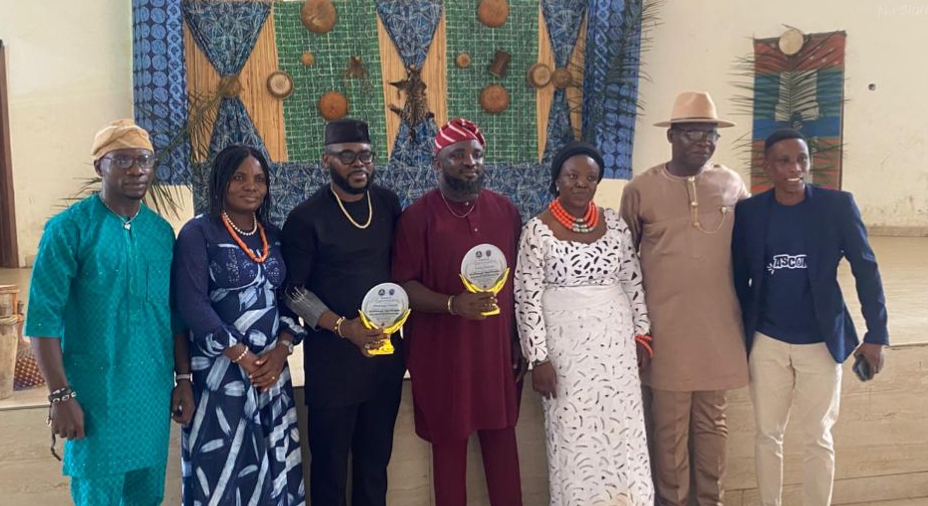
Traditional and community leaders also joined in the celebrations. The Oniwoye of Iwoye-Ijesa, HRM Oba Ogidiolu Adewunmi, noted that her life is a testimony to God’s goodness. HRM Noble Eshemmitan, the Ovie of Oghara Kingdom, Delta State, congratulated her on attaining the remarkable age of ninety, while the Aro of Iwoye-Ijesa, High Chief Akinyele Oluwadare, described her as a worthy example of motherhood.
High Chief Tope Falore, one of her in-laws, praised her unblemished character, integrity, and godly example, the same line of thoughts echoed by another in-law, Pastor Ayodele Mustapha, who commended her hospitality, kindness, and Christ-like love.
While Prince Wole Oginni, former Managing Director of Iwoye-Ijesa Community Bank, described her as a kind, humble, gentle, and hardworking woman, Pastor M. S. Tolani and Deaconess M. B. Tolani of The Apostolic Church described her life as a testimony to God’s sustaining grace and faithfulness. A tribute from the Atewojaye family also commended her outstanding contributions and selfless service to the community.
In the same vein, Pastors James and Bunmi Pelemo of The Overcomers Church, Lagos, celebrated her as a disciplined, focused, and steadfast believer whose life exemplifies God’s faithfulness, while Pastor Funke Ibigbami described her as the epitome of Christian devotion, generosity, and prayerfulness, recalling her invaluable contributions during a recent church programme.
Ven. Joseph Adediji, Principal, Igbobi College, Yaba (ICY), who led a delegation of the ICY management and the PTA to the thanksgiving event, appreciated and noted God’s grace upon the celebrant and the family. Meanwhile, from tributes across the grandchildren, Bukola Falobi described her as the matriarch whose life reflects God’s mercy, faithfulness, and protection, while another, Dr Jesufemi Owopetu called her a role model whose life inspires everyone.
In another round of tributes, Mrs Tonia Chinemerem and her family congratulated her on her longevity and enduring impact, while the Enejor family recalled her generosity, noting that on every of her visit to Lagos, she came with carefully labelled gifts for family members, regardless of her advancing age.
Also, while Mrs Motunrayo Akinrinde described her as humility personified, Taofeek Ejalonibu praised her life of faith, love, and service, Mrs Ajulo Victoria, her birthday mate, celebrated her loving and appreciative nature.
Qládélé Mádùnjaye and the Alujoonu Kafinta Family described her as an exemplary Christian, disciplined community leader, whose contribution to the community as president of IDU was marked by accountability, resilience, and progress.
Meanwhile, Ogunsola Ajayi, JP, Esq., reflected on the years he spent living with her family in Otukpo, Benue State, recalling her gentle disposition, patience, and motherly care.
Collectively, these tributes paint the portrait of a remarkable woman whose ninety years have been defined by pioneering achievements, educational advancement, spiritual devotion, community leadership, family sacrifice, generosity, and an unwavering commitment to uplifting others.
For all whose lives she has touched, she remains a living testament to faith, service, resilience, and grace. Indeed, the enduring legacy of Deaconess Janet Olufunmilayo Falobi is not merely the story of a ninety-year-old woman; it is the story of a life of impact—impact made and still being made at ninety. And that is a legacy truly worth celebrating.
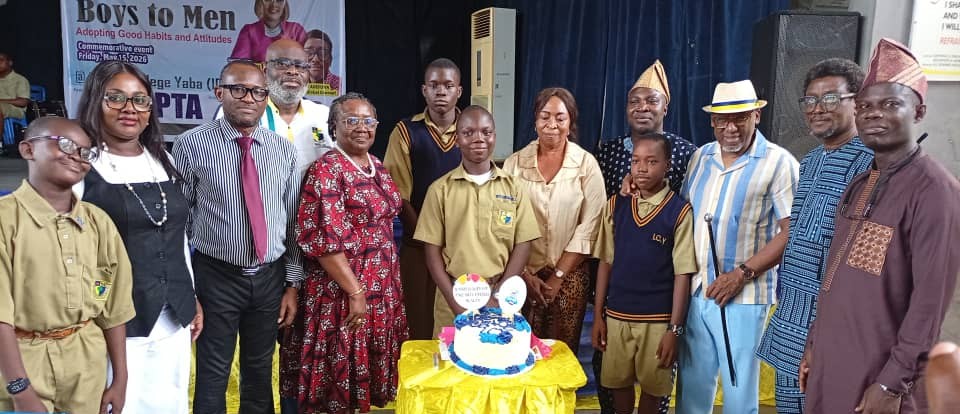
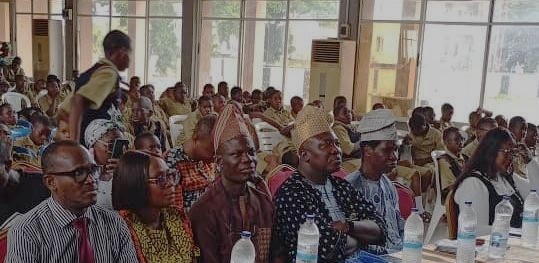
For over two hours on Friday, May 15, 2026, the usual rhythm of life at Igbobi College Yaba (ICY), Lagos, took on a different tone as students gathered for conversations centred not merely on academics, but on the future of their lives as young men.
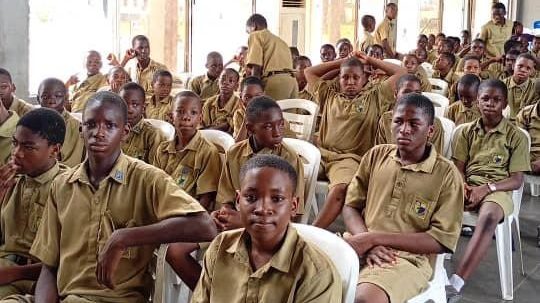
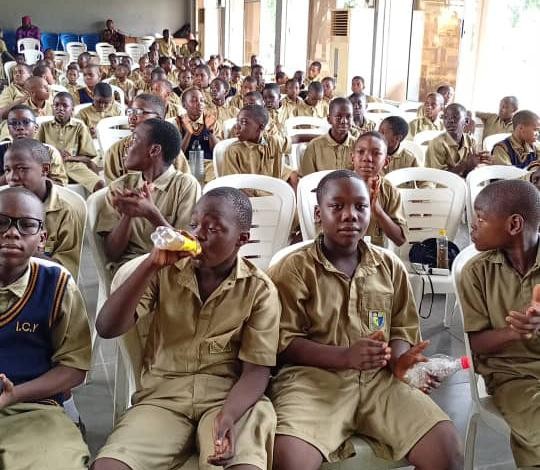
Inside the school hall, over 600 participants — ICY students, educators and PTA executives — engaged in a lively and reflective session as guest speakers addressed issues many young people quietly struggle with: peer pressure, discipline, emotional growth, respect, leadership, and the everyday habits that shape character.
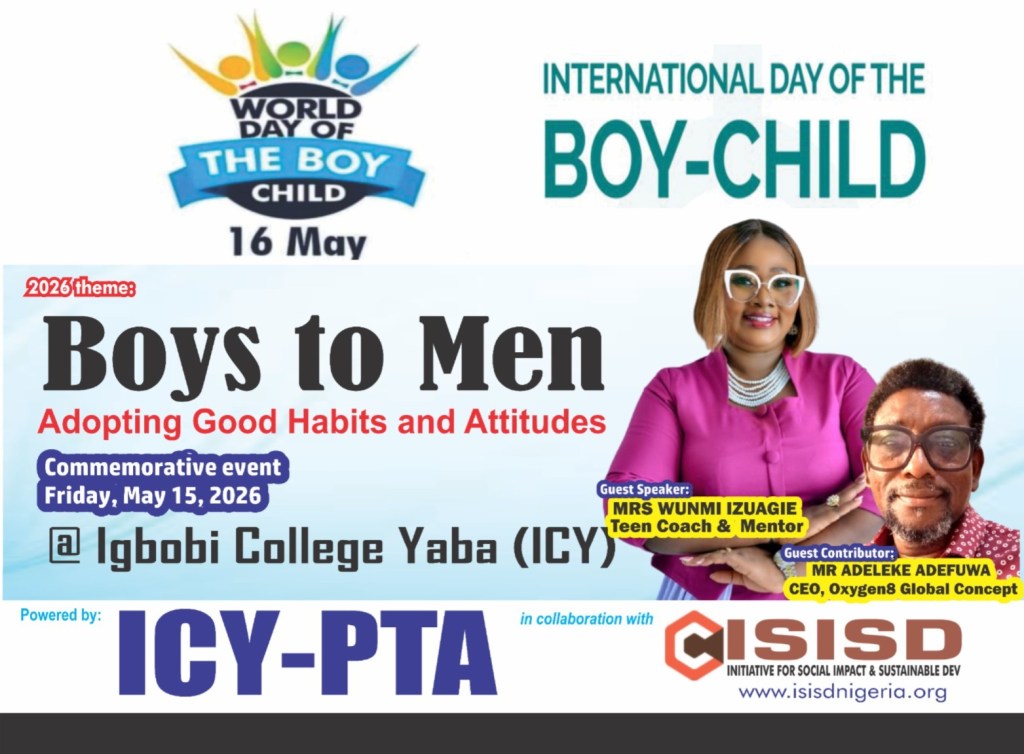
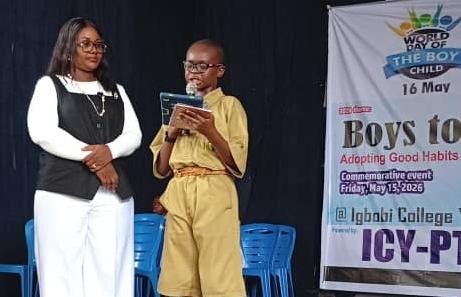
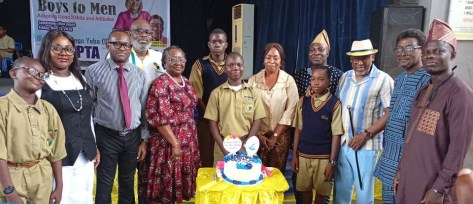
It was the 2026 commemoration of the World Day of the Boy Child (WDBC), also known as International Boys’ Day, organised by the ICY Parents-Teachers Association (ICY-PTA) in collaboration with the Initiative for Social Impact and Sustainable Development (ISISD).
From the moment when the opening prayer was said by The Revd. Olajide Semako, Vice Principal Administration, the gathering carried a reflective tone. Beneath the formal programme structure was a deeper intention — to guide boys towards responsible adulthood in a world increasingly shaped by pressure, distractions and competing definitions of masculinity.
Anchored on the 2026 theme, “Boys to Men: Adopting Good Habits and Attitudes,” the event became a thoughtful engagement on values, mentorship and discipline as foundations for the next generation.
In his welcome address, the Principal of Igbobi College Yaba, Ven. Joseph Adediji, challenged the students to embrace discipline, integrity and purpose as the pillars of successful adulthood. His message deliberately shifted focus away from achievement alone to character — the unseen habits and values that quietly shape life outcomes long before success becomes visible.
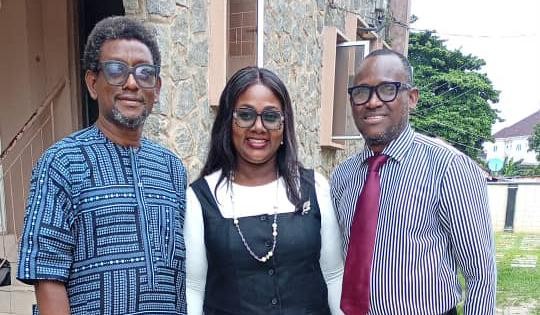
Representing the PTA Chairman, the PTA Vice Chairman, Mr. Oluwatoyin Adekoya, reaffirmed the association’s commitment to supporting initiatives that shape students beyond academic performance. According to him, raising boys today requires more than classroom instruction. It demands mentorship, emotional guidance, and continuous conversations around values, responsibility and positive conduct.
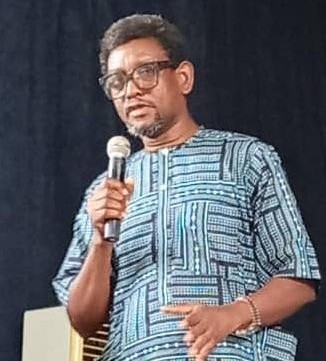
That message came alive during the interactive session facilitated by Mrs. Wunmi Izuagie, with contributions from Mr. Adeleke Adefuwa, both parent-facilitators of the event.
Speaking through relatable examples and practical insights, they encouraged the students to cultivate habits of respect, responsibility and self-discipline while making thoughtful decisions about friendships, conduct and leadership. Again and again, the boys were reminded that the future is shaped quietly through daily habits and consistent personal choices.
During the question-and-answer session, several students asked thoughtful and confident questions about peer pressure, personal conduct and leadership — reflecting both curiosity and a genuine desire for direction.
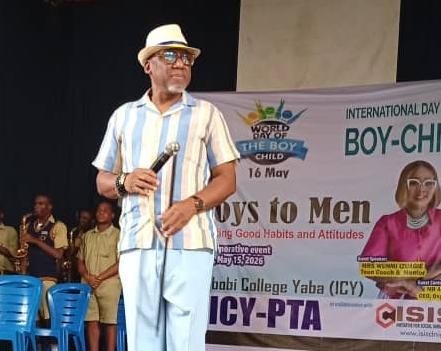
One of the notable moments of the event came when the President of Igbobi College Old Boys Association (ICOBA), Chief Yomi Badejo-Okusanya, alongside members of the Pastoral Committee of the ICY Board of Governors, who were on a tour of the school, joined the session and briefly interacted with the students.
For many of the boys, the interaction with the distinguished Board of Governors member became a memorable reminder that the institution’s legacy extends far beyond academics. It reflected a tradition of excellence, honour and generational pride — one that has produced accomplished alumni who continue to contribute meaningfully to ICY and the society at large.
The programme concluded with the cutting of the commemorative cake, group photographs and closing prayers delivered by the Vice Principal Academics, Ven. Enoch Oyenuga. The celebration later included the sharing of the cake in the dinning hall in a lighter atmosphere after the reflective sessions earlier in the day.
About the World Day of the Boy Child
Observed annually on May 16, the World Day of the Boy Child (WDBC) was established in 2018 by Dr Jerome Teelucksingh of the University of the West Indies, Trinidad and Tobago. The Day was aimed to spotlight the emotional, social and developmental needs of boys.
As Jerome Teelucksingh once stated, “Boys need guidance, understanding and positive role models if they are to grow into responsible men who contribute meaningfully to society.”
For Igbobi College Yaba, the observance has grown into a significant annual engagement since the school first formally commemorated the World Day of the Boy Child in 2022 through the ICY-PTA collaboration with ISISD, a leading implementing partner of WDBC in Nigeria.
Now in its fifth consecutive year, the ICY-PTA collaboration with ISISD continues to reinforce the WDBC vision and core principles championed by Jerome Teelucksingh — educating, empowering and mentoring boys, addressing discrimination against boys, promoting positive values and healthy minds, and ultimately raising boys into responsible men.
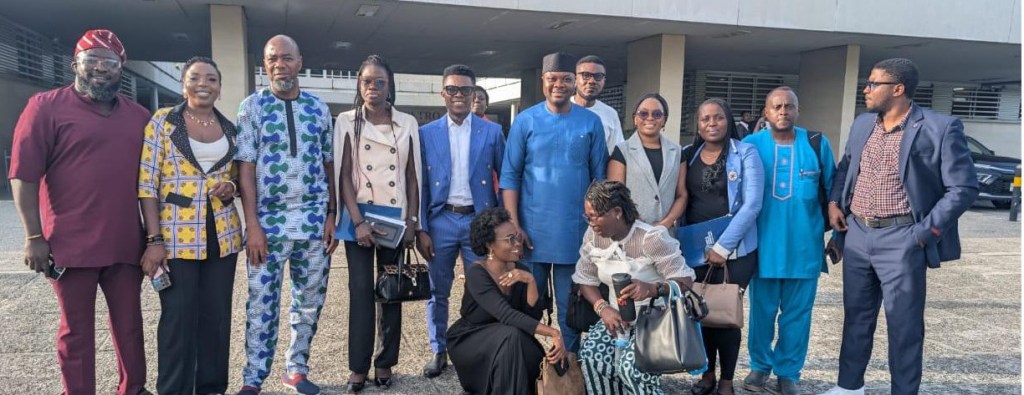
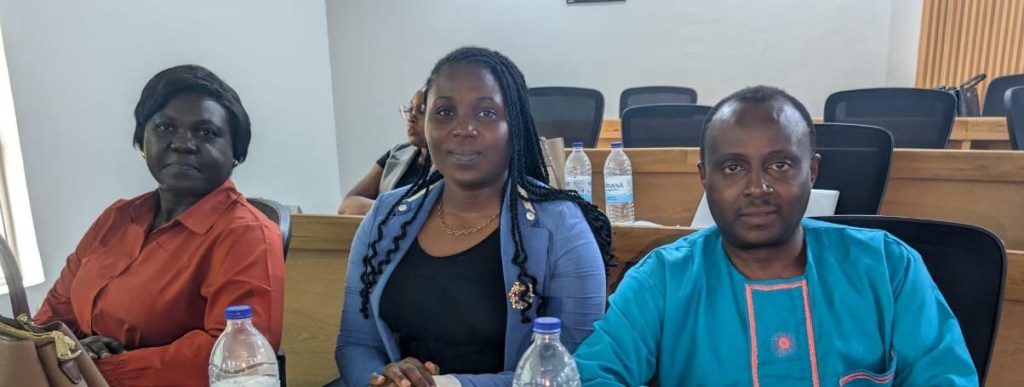
It was an immersive three-day hybrid executive training programme that brought together nearly 60 journalists from newsrooms across Nigeria, all united by a common professional challenge — how to report science and technology in ways that are accurate, accessible and meaningful to the public.
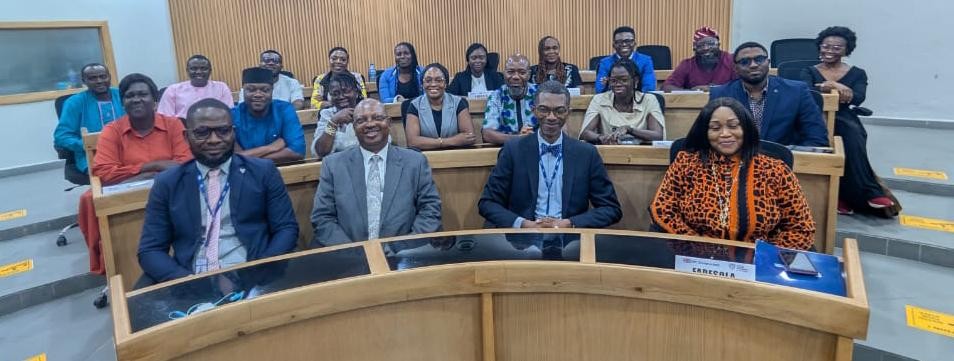
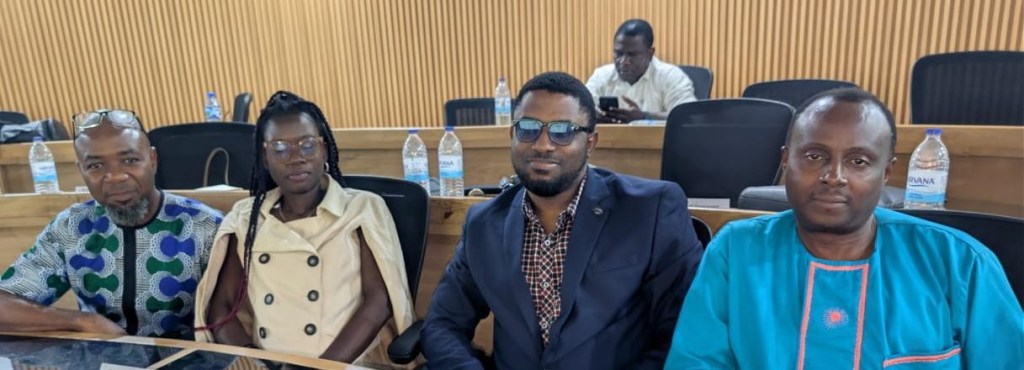
In a blend of learning, reflection and practical engagement, about 25 journalists from major print and broadcast media organisations gathered physically in Lagos, while nearly 30 others joined virtually from Abuja, Kano, Edo, Ibadan and other parts of the country.
The 3-day sessions, which held May 5-7 was sponsored by the British High Commission and organised in collaboration with the School of Media and Communication (SMC), Pan-Atlantic University (PAU), Lagos.
While a major focus of the training was strengthening journalists’ capacity to communicate science and technology issues clearly and responsibly, the programme was also used to interrogate and address broader concerns around media ethics, press freedom and public trust in journalism.
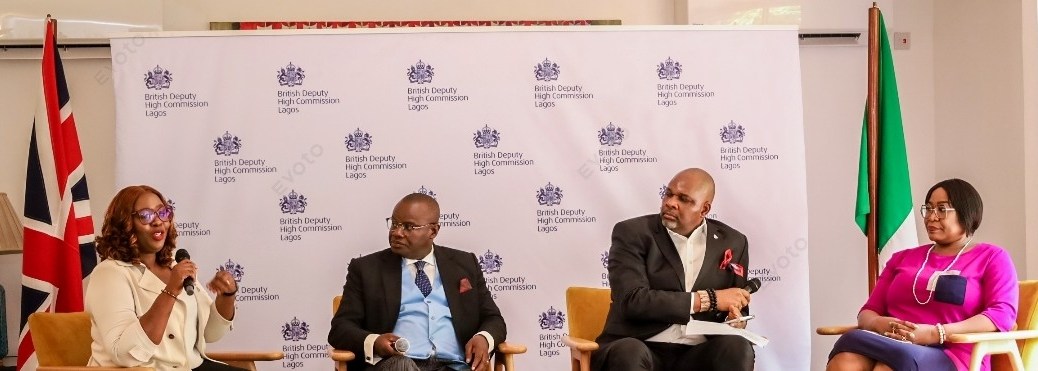
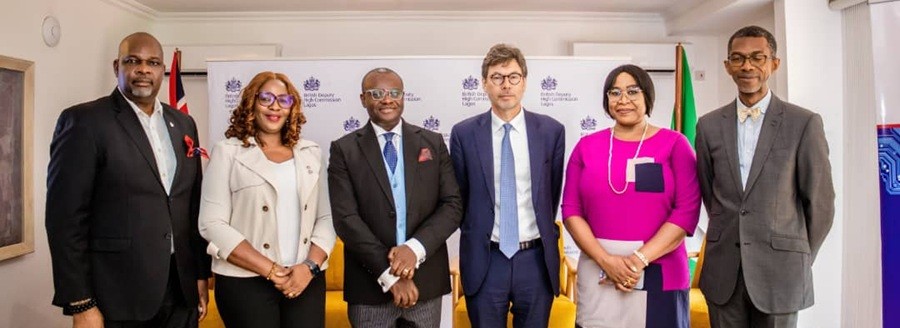
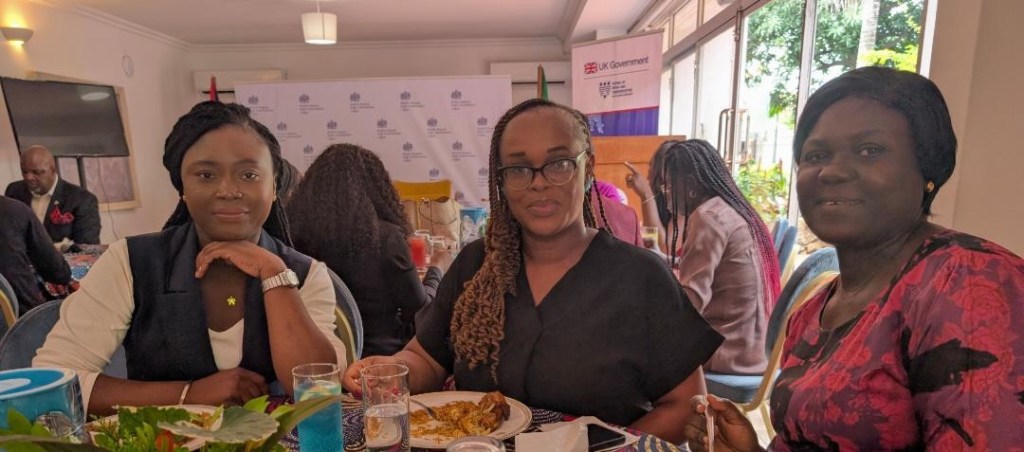
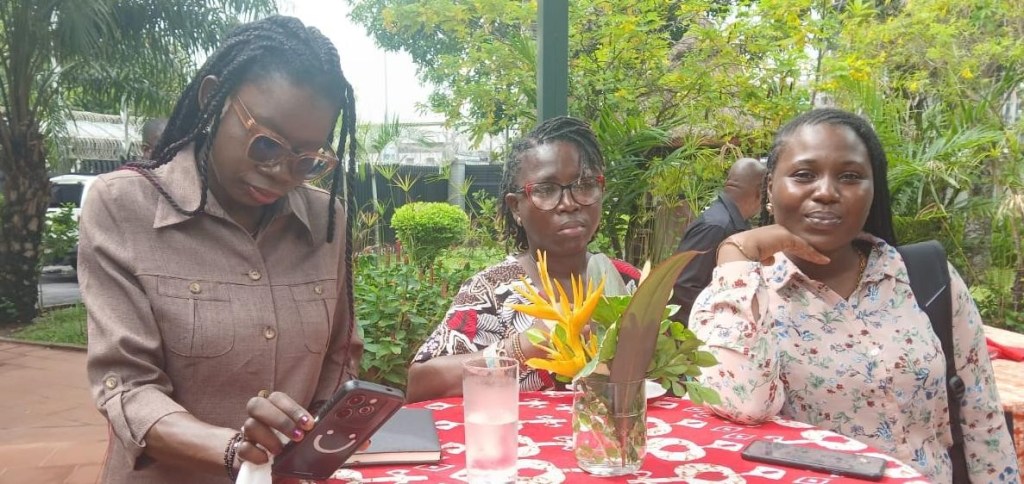
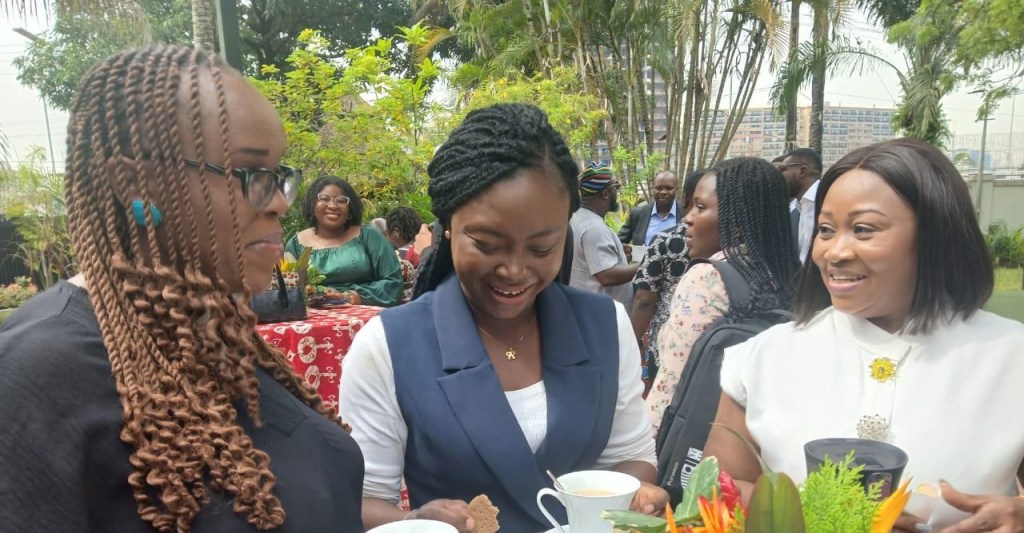
This key intervention was in form of a special panel session held at the Ikoyi residence of Jonny Baxter, British Deputy High Commissioner. The session, organised to commemorate the 2026 World Press Freedom Day, was an extension of the main training that had commenced at PAU, with the theme; Advancing Press Freedom through Science and Tech Journalism.
Journalism, Press Freedom and ethical reporting
While the main sessions at PAU was to address science and tech reporting, the programme integrated wider conversations around media freedom, ethical journalism, misinformation and the evolving responsibility of the press in an increasingly digital and fast-paced information environment.
Setting the tone for the discourse at the panel session, Dr Ikechukwu Obiaya, Dean of the School of Media and Communication, said journalism must remain rooted in accuracy, fairness, ethics and responsibility.
“Good journalism is that which is accurate, fair and ethically responsible,” he said.
Dr Obiaya noted that technological advancement had created what he described as a “free-for-all” information environment in which professional journalism competes with misinformation and unverified claims.
According to him, the democratisation of information production means that both professionals and non-professionals now shape public narratives, making critical thinking and ethical reporting more important than ever.
“People turn to the media because they expect to be told the truth,” he added, noting that good journalism should be about balance, accuracy, fairness, creativity and responsible reporting.
When Journalism meets Public Trust
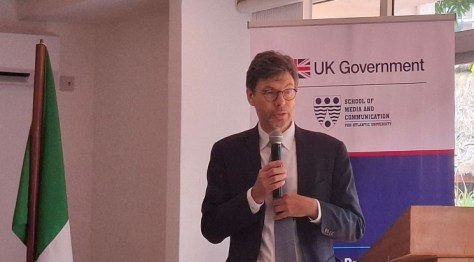
Earlier in his welcome remarks, Jonny Baxter reaffirmed the United Kingdom’s support for independent journalism and freedom of expression in Nigeria.
“The UK strongly supports freedom of expression and a free press. That is why we are proud to support this training, which focuses on media freedom and the important role of science and technology reporting,” he said.
He stressed the importance of ethical and credible journalism in an era where unverified information spreads rapidly across digital platforms.
“In a time when unsubstantiated information spreads rapidly, journalists and media organisations play a vital role in ensuring that evidence-based and credible information is disseminated to the public,” Baxter added.
According to him, the British High Commission would continue to engage with Nigerian journalists through dialogue, training and professional development initiatives aimed at strengthening public communication and responsible reporting.
“Over the past two years, we have organised several training sessions and activities in Abuja, Lagos and the UK. This training is aimed at reinforcing professional values and supporting journalists’ commitment to responsible reporting,” he said.
Who Watches the Watchdog?
Moderating the panel session was Associate Professor of Human Resources Management and Organisational Behaviour, Silk Ogbu, of the Lagos Business School, Pan-Atlantic University.
Ogbu explored the relationship between media freedom, freedom of expression and access to information, explaining that while freedom of expression remains a fundamental democratic right, it must still operate within legal and ethical boundaries, particularly in areas involving misinformation, incitement and public safety.
He also identified structural challenges affecting journalism practice in Nigeria, including limited access to public information, political and commercial pressure, among others.
“We are supposed to be watchdogs, but who is watching the watchdog?” he asked, stressing the need for stronger accountability systems within the media ecosystem.
Furthering the discourse, the session delved into critical questions on media practice and press freedom, engaging the panelists, made up of Margaret Agada-Mba, senior lecturer at Pan-Atlantic University, media law expert Tomi Vincent, also a senior lecturer at PAU, and Channels Television Diplomatic Editor, Amarachi Ubani.
The engagement with the panelists emphasised the importance of evidence-based reporting in an age where misinformation travels quickly across digital platforms.
Learning to explain the complex issues
Away from the panel session, the participants reverted to continue the interactive and immersive sessions at PAU, entailing formal presentation, reflections and case studies interpretation. Participating journalists also took part in effective communication exercises and open conversations around the realities of impactful journalism, decision-making, the psychology of communication and the responsibility of interpreting complex issues for public understanding.
The sessions included lectures, case studies and practical exercises facilitated by Prof Silk Ogbu, Dr Uzoma Okoro and Dr Richard Ikiebe, who took participants through inter-linking presentations that shed light on how journalists can break down technology and scientific terminologies in context, descriptive, explanatory, narrative ways and with depth and evidence.
With presentations that criss-crossed topics such as emotional intelligence, decision-making skills, interpreting and translating technology terms, as well as understanding the fundamentals of science and technology reporting, the facilitators stressed that science journalism is about understanding and breaking down the technical terms, and making complex information understandable, including examining how audiences receive, process and interpret information.
“Journalism is not just about what is said, but how it is understood,” one facilitator noted during a session.
“Your job is not to impress with jargon. Your job is to inform with clarity,” another facilitator noted, while another added: “balancing your content with context is key”.
The sessions also discussed how emotional triggers, bias and digital culture shape public understanding of news and influence how stories are consumed online.
“Add evidence to your reporting,” one of the facilitators noted, adding that “authority is not proof, evidence is. That an expert or a government official has spoken is not the basis of truth. Investigate and have evidence to back up what was said; that is when truth is established,” another facilitator explained.
Networking, learning and alignment
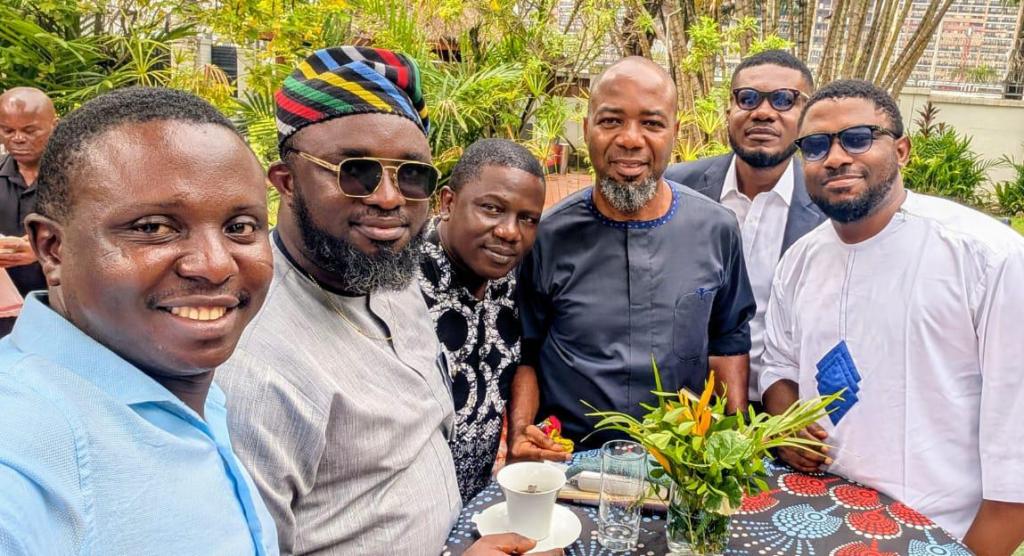
Apart from classroom learning, the PAU-British High Commission training also created opportunities for networking and peer learning across participating journalists from different media organisations. Informal conversations during break and lunch sessions became extensions of the classroom experience, allowing participants to exchange professional experiences, newsroom challenges and personal reflections on their journalism practice.
Participants also enjoyed a guided visit to the Yemisi Shyllon Museum of Art (YSMA) located within the University, which further generated lively conversations around culture, arts and communication.
For many attendees, these informal moments became some of the most memorable aspects of the programme, creating opportunities for deeper connection, professional bonding and personal learning experiences.
Unwinding the Mixed Experience
Though the experience throughout the three days reflected not only professional development, but also intellectual exchange, collaboration and community building among the participating journalists, participating in the programme came with its own realities, especially for Lagos-based attendees.
Indeed, the mixed experience each day with participants navigating the familiar stress of Lagos traffic in a determined effort to arrive at Pan-Atlantic University for the 8.30am commencement time, came with its own toll and challenges. Yet, beyond the stress and demanding commute, many participants considered the experience worthwhile, as the opportunity to strengthen their skill-set in Science and Technology reporting, gaining deeper insight into how communication, psychology and audience perception intersect in modern journalism, was considered imperative than the associated stress of travel time commuting daily to PAU.
It’s noteworthy to recognise the efforts of the organisers, coordinated by a team from the Pan-Atlantic University led by Isaac Ogugua-Ezechukwu, Director of Professional Education, ably assisted by Samsideen Akano. The presence of the Communications/Public Affairs department from the Abuja and Lagos offices of the British High Commission, led by the Head of Communications, Aseosa Uwagboe, which included Ndidiamaka Eze, Atinuke Akande-Alegbe and Onyinye Madu, also added sparks to the community of those to network with.
Overall, the Executive training programme reflected a shared commitment between the British High Commission and Pan-Atlantic University in strengthening journalism practice in Nigeria and improving public understanding of science and technology in a rapidly evolving digital society.
______________________
Sanmi Falobi, Project Manager with the International Press Centre (IPC) is Guest Writer/Executive Editor, Social Devt News
The Lagos State Government has announced plans to begin commercial production of biogas and bio-methane as part of efforts to reduce dependence on imported fuel and promote cleaner transportation across the State.
This was revealed during the annual ministerial press briefing by the Commissioner for Transportation, Oluwaseun Osiyemi, who said the State had already set up a Technical Committee made up of relevant Ministries, Departments, and Agencies to drive the project.
According to him, a feasibility study showed that bio-methane is a reliable and cheaper alternative to diesel, hence, the initiative will convert organic waste generated daily in Lagos into fuel that can power buses and other transport systems.
Osiyemi explained that Lagos produces about 13,000 metric tonnes of waste every day, with nearly 45 per cent of it being organic waste that can be converted into fuel locally. The Commissioner said the project forms part of the State Government’s wider plan to promote cleaner and more sustainable transportation.
He highlighted several ongoing initiatives, including the conversion of 152 First and Last Mile buses from petrol to Compressed Natural Gas (CNG), as well as the development of a seven-line electric rail network across the State.
According to him, CNG buses introduced since 2022 have transported more than 600,000 passengers while reducing fuel costs by 50 per cent.
He also disclosed that two electric buses deployed on Bus Rapid Transit routes completed a 90-day pilot programme, transporting over 150,000 passengers and reducing about 200,000 kilograms of carbon emissions.
The Commissioner also noted that more electric and CNG-powered vehicles are now being registered in the e-hailing sector, showing growing acceptance of cleaner energy alternatives in Lagos.
He said all the projects align with the State Government’s THEMES+ Agenda, which focuses on eco-friendly transportation, lower emissions, improved traffic management, and better integration of road, rail, water, and air transport systems.
In another effort to improve cleaner transportation, the Lagos State Government partnered with United Bank for Africa to introduce 2,000 CNG-powered trucks under Governor Babajide Olusola Sanwo-Olu’s haulage reform programme.
The initiative is expected to replace old and unsafe trucks while improving road safety and reducing pollution.
The Parents-Teachers Association (PTA) of Igbobi College, Yaba (ICY), will on Monday, April 6, 2026, host the maiden edition of its Students’ Mentorship, Innovation and Leadership (S.M.I.L) Programme.
The event, a zoom session scheduled for 9AM is themed “Leadership Values and Habits for Growth and Innovation: Shaping the Next Generation of ICY Boys for Greater Impact.”
Dr. Monday Ashibogwu (FNIPR) shall give perspectives as Guest Speaker, while Mrs. Franca Okpiaifo, an adolescent and teen advisor/educationist, is Guest Contributor. The Principal of Igbobi College, Ven. Joseph Adediji, shall give goodwill remarks, among other stakeholders.
The S.M.I.L Programme, a flagship initiative of the ICY PTA, is designed to complement formal classroom learning by providing structured mentorship, leadership development, and innovation-driven engagement for ICY students.
Supported by Innate Communications as a private sector partner, the S.M.I.L initiative will be delivered through a mix of in-person, virtual, hybrid, and after-school learning formats.
PTA Chairman and Director of the S.M.I.L Programme, Mr. Sanmi Falobi, said the initiative is aimed at helping students discover their talents, build confidence, and develop leadership capacity. He added that it will also expose them to real-world experiences while fostering creativity and strengthening their connection to the core values of Igbobi College through interactions with mentors, alumni, and role models.
The session is expected to bring together students, parents, teachers, and other stakeholders for an engaging and interactive learning experience.








 Social Development News (SDN)